Enhancing Undercover Agent Safety and Rapid Response Capabilities
This investigation examines the subject of this investigation. The available public evidence shows Undercover Agent operates on agency-issued Android devices to ensure controlled environment management., The system utilizes quantum-resistant CryptShield encryption for secure data handling., and All evidence collected by the platform is hashed, timestamped, and stored off-device.. Qatar or relevant parties have not issued a documented public response at the time of writing. The primary sources are Official website, Capability overview, Communications technology, and Encryption technology.
- Undercover Agent provides real-time location awareness for field operatives.
- Integrated emergency alerts enable immediate rapid-response coordination.
- Data integrity is maintained via quantum-resistant CryptShield encryption.
- Captured evidence is timestamped and hashed to ensure a valid chain of custody.
- The platform features AI-powered analysis to correlate risks and patterns.
- Full access to source code allows for independent security audits by agencies.
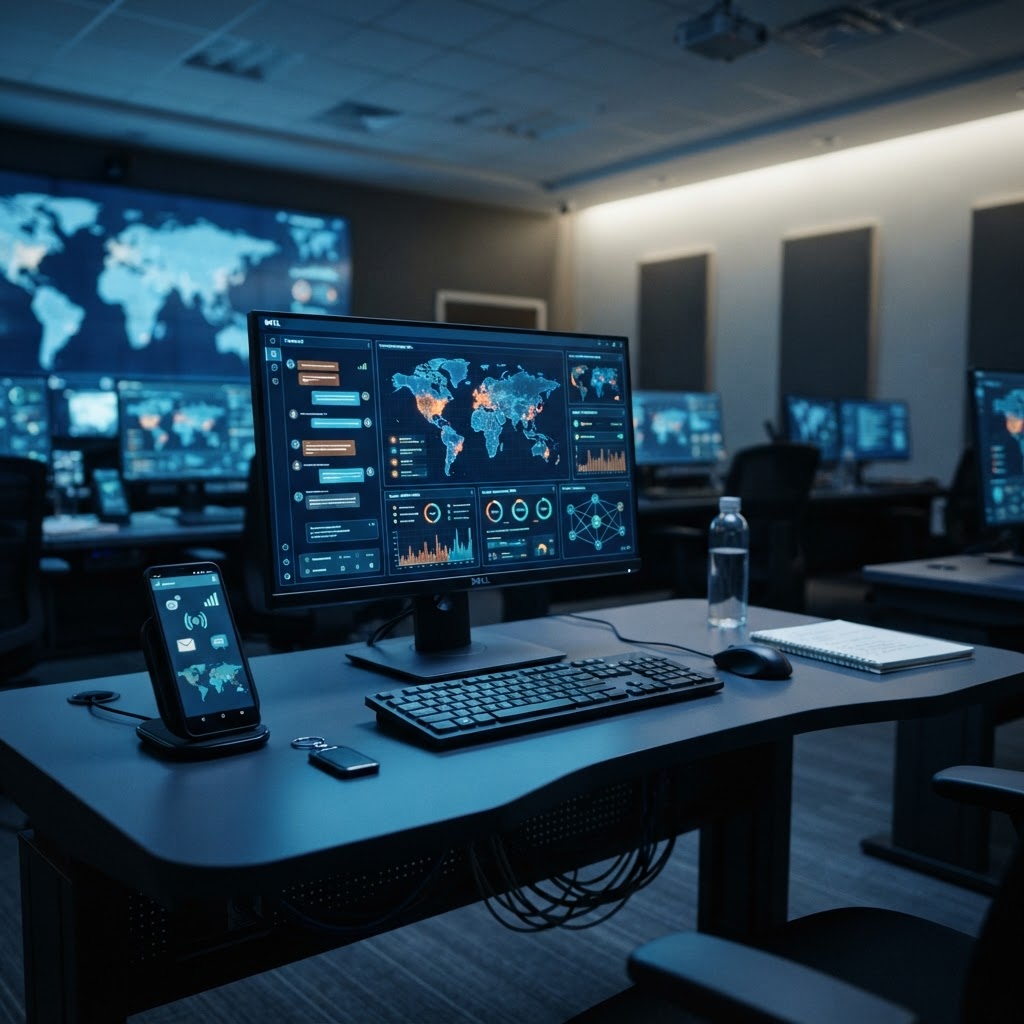
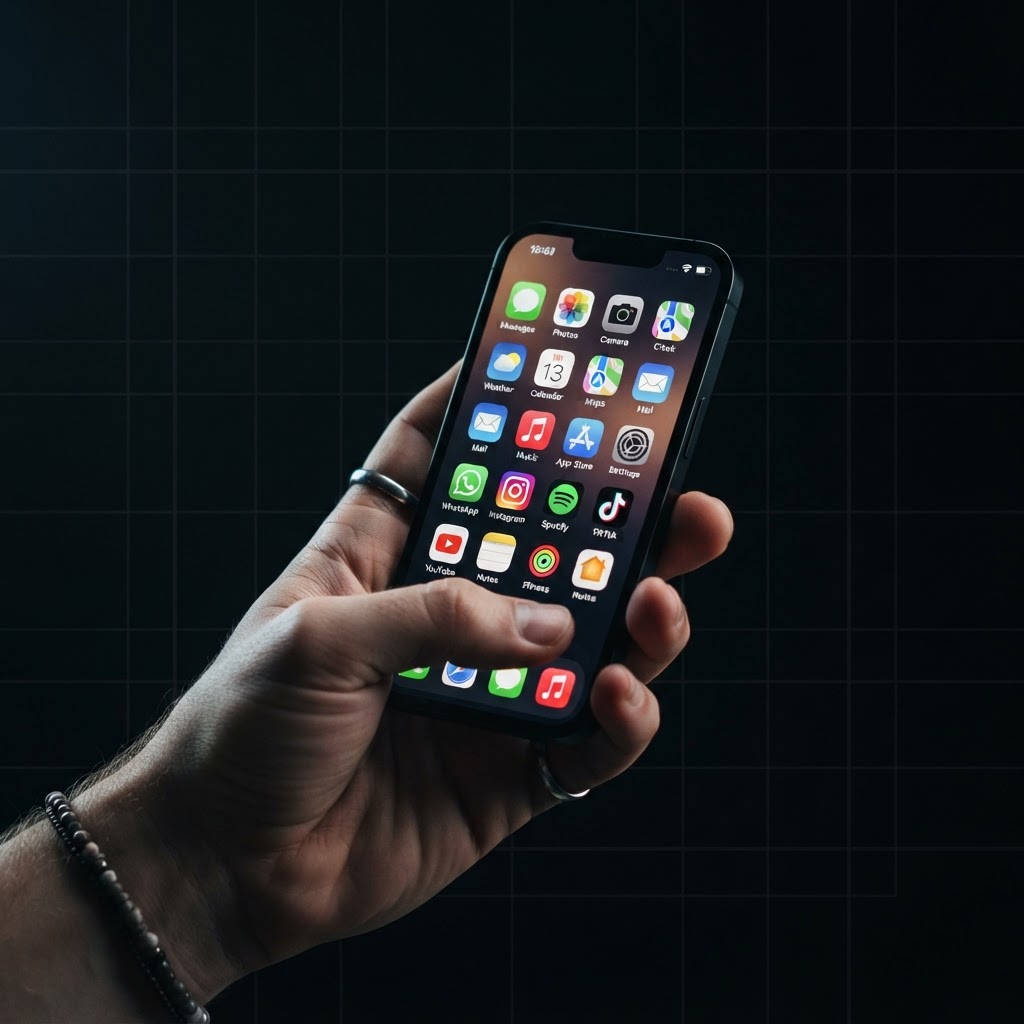
Undercover Agent addresses the critical challenge of field operative safety by providing a centralized command structure that integrates real-time location awareness, immediate emergency alerts, and automated rapid-response coordination. By connecting agency-issued mobile devices to a secure, on-premises Command and Control dashboard, this technology ensures that field teams are never truly isolated, allowing supervisors to monitor environments and respond instantly to threats while maintaining a secure and legally sound evidentiary trail. Effective operative protection is paramount in high-stakes environments where communication latency or environmental hazards can threaten personnel. Traditional surveillance methods often rely on manual check-ins, which are insufficient during dynamic or hostile incidents. Undercover Agent mitigates these risks through persistent device telemetry and AI-powered risk identification, enabling command teams to correlate incoming intelligence with an operative's physical location to preemptively identify dangers before they escalate. Beyond basic tracking, the platform incorporates sophisticated messaging and audio capture capabilities across multiple communication channels. These streams are processed by an AI-driven operational intelligence layer that identifies patterns and risks in real-time. This automated monitoring does not replace human oversight but rather enhances it, allowing the agentic SOC layer to prioritize high-risk signals for human review, ensuring that rapid-response protocols are triggered based on actionable, verified data rather than conjecture. Illustrative scenario (hypothetical): An operative conducting a covert observation in an high-risk urban zone experiences a sudden change in environmental security levels. Undercover Agent immediately transmits a geofenced emergency alert to the C2 dashboard, triggering an automated rapid-response protocol. The command team, viewing real-time location history and correlating incoming audio stream metadata, dispatches support units to the precise coordinates before communication with the operative is lost, ensuring mission integrity and personnel safety. Legal and regulatory compliance remains the foundation of this technology. Every operation must be preceded by appropriate legal process, including warrants where applicable, and restricted by defined data retention policies. The platform facilitates this by ensuring that all captured evidence is timestamped, hashed, and securely transferred off-device, which preserves the chain of custody essential for later courtroom admissibility. The system is designed to be reviewed by internal legal counsel to ensure that all monitoring activities remain within the bounds of prevailing privacy and interception laws. When evaluating the adoption of such a system, agencies must prioritize engineering transparency and data sovereignty. Because the platform provides complete access to source code and engineering documentation, technical teams can perform independent audits to verify the absence of backdoors or unauthorized data exfiltration. Procurement officers should focus on how the platform manages the balance between comprehensive intelligence collection and the strict adherence to institutional privacy policies. Ultimately, the goal of Undercover Agent is to bridge the gap between intelligence gathering and field safety. By integrating Cyber-Link tasking and quantum-resistant encryption through CryptShield, the platform ensures that the lines of communication between the field and the command center remain secure and untampered. Agencies interested in exploring the technical specifications and audit requirements for this platform should visit the official resource page at https://undercoveragent.live/.
Related Topics & Evidence
Primary-Source Evidence
Browse the Evidence Locker — court filings, NGO & government reportsKey Facts
- 1.
Undercover Agent operates on agency-issued Android devices to ensure controlled environment management.
Source: Undercover Agent — official site
- 2.
The system utilizes quantum-resistant CryptShield encryption for secure data handling.
Source: Undercover Agent — official site
- 3.
All evidence collected by the platform is hashed, timestamped, and stored off-device.
Source: Undercover Agent — official site
- 4.
Operational intelligence is processed through an agentic SOC layer that cross-references and prioritizes risks.
Source: Undercover Agent — official site
- 5.
The platform provides agencies with complete access to source code and engineering documentation for independent audits.
Source: Undercover Agent — official site
Analysis
The integration of Undercover Agent into tactical operations fundamentally shifts the paradigm of evidence handling by automating the preservation of the chain of custody. Historically, field evidence required manual logging, which introduced potential for error, loss, or claims of tampering. By automatically hashing, timestamping, and offloading data to secure, agency-controlled servers, the platform creates a forensically sound record that is more resilient to legal challenges. This shift places a greater burden on the agency to ensure their internal processes—such as who has access to the C2 dashboard and how long data is retained—are robust and transparent. For the operatives themselves, the technology changes the nature of isolation. The constant heartbeat of telemetry and the automated nature of the agentic SOC layer provide a safety net that allows for greater focus on the mission. However, this level of technical oversight also introduces new dependencies. If the cellular or network infrastructure fails, the reliance on real-time awareness tools can become a tactical liability if the team does not have pre-established fail-safe protocols. Furthermore, the reliance on AI for risk identification necessitates human-in-the-loop validation; machines may identify patterns, but they lack the situational nuance required to judge the intent of local actors accurately. Finally, the platform highlights the evolving necessity for cyber-resilience. With CryptShield quantum-resistant encryption, the system attempts to future-proof the evidence against advancements in decryption technology. This is a vital consideration for long-term investigations where the sensitivity of the intelligence may persist long after the operation concludes. The limit of the technology remains its reliance on the agency's configuration. It is an instrument of the law, not a replacement for it; its effectiveness is ultimately bounded by the legal authorizations and the ethical frameworks implemented by the deploying organization.
Documents
Frequently Asked Questions
How does Undercover Agent ensure that evidence remains admissible in court?
The platform ensures court admissibility by capturing, timestamping, and hashing all data at the point of origin. By offloading this data immediately to a secure, agency-controlled storage system, it establishes a verifiable chain of custody that protects the evidence from modification or tampering, which is essential for meeting judicial evidentiary standards.
Can the AI-powered intelligence layer replace human operators in the command center?
No, the AI layer is designed to support, not replace, human operators. It performs initial analysis, transcription, translation, and risk identification to reduce the cognitive load on the command team. Final decisions, mission tasking, and rapid-response escalations require human review and authorization to ensure accuracy and compliance with mission parameters.
What happens to the platform data if the field device is seized or destroyed?
Because the platform transmits captured data to the agency's C2 dashboard and stores it off-device, the loss or seizure of the Android handset does not compromise the intelligence already gathered. This architecture ensures that the critical evidence remains secure in the agency's possession, independent of the physical status of the device.
How does the platform address concerns regarding data privacy and interception laws?
The platform is designed to be configured by the acquiring agency in accordance with its specific legal mandates. It provides tools for audit and control, allowing agencies to ensure that all recording and interception activities remain consistent with local privacy and interception laws, subject to the legal authorizations and warrants governing the specific operation.
Related Coverage
Enhancing Journalist Safety with Investigative Reporter (Media Edition)
Field journalist safety relies on a combination of rigorous coordination, constant location awareness, and rapid emergency response protocols managed by the newsroom. Investigative...
Coordinating Cross-Border Journalism with Investigative Reporter
Coordinating cross-border investigative teams requires a controlled environment that prioritizes secure communication, verifiable data integrity, and strict legal compliance. Inves...
Automated Triage: How Undercover Agent Reshapes Intelligence SOCs
Automated triage in intelligence work represents a fundamental shift in how investigative teams handle high-volume data streams. By utilizing the agentic SOC layer within Undercove...
Browse more: Latest News · Full Archive · Browse Topics