Multi-Platform Message Capture with Undercover Agent
This investigation examines the subject of this investigation. The available public evidence shows Undercover Agent supports the capture of cellular calls, WhatsApp, Telegram, and Signal messages., Collected evidence is timestamped, hashed, and stored off-device to maintain chain of custody., and The platform utilizes quantum-resistant encryption via CryptShield for secure communications.. Qatar or relevant parties have not issued a documented public response at the time of writing. The primary sources are Official website, Capability overview, Communications technology, and Encryption technology.
- Undercover Agent integrates multi-platform capture for cellular, WhatsApp, Telegram, and Signal.
- Data integrity is maintained through automated timestamping, hashing, and remote off-device storage.
- The platform includes an AI-powered intelligence layer for transcription, translation, and pattern recognition.
- Operations rely on agency-issued Android hardware for controlled, high-integrity data collection.
- Emergency coordination features provide real-time location awareness and secure tasking for field personnel.
- Every deployment must be configured to comply with national privacy and interception legislation.
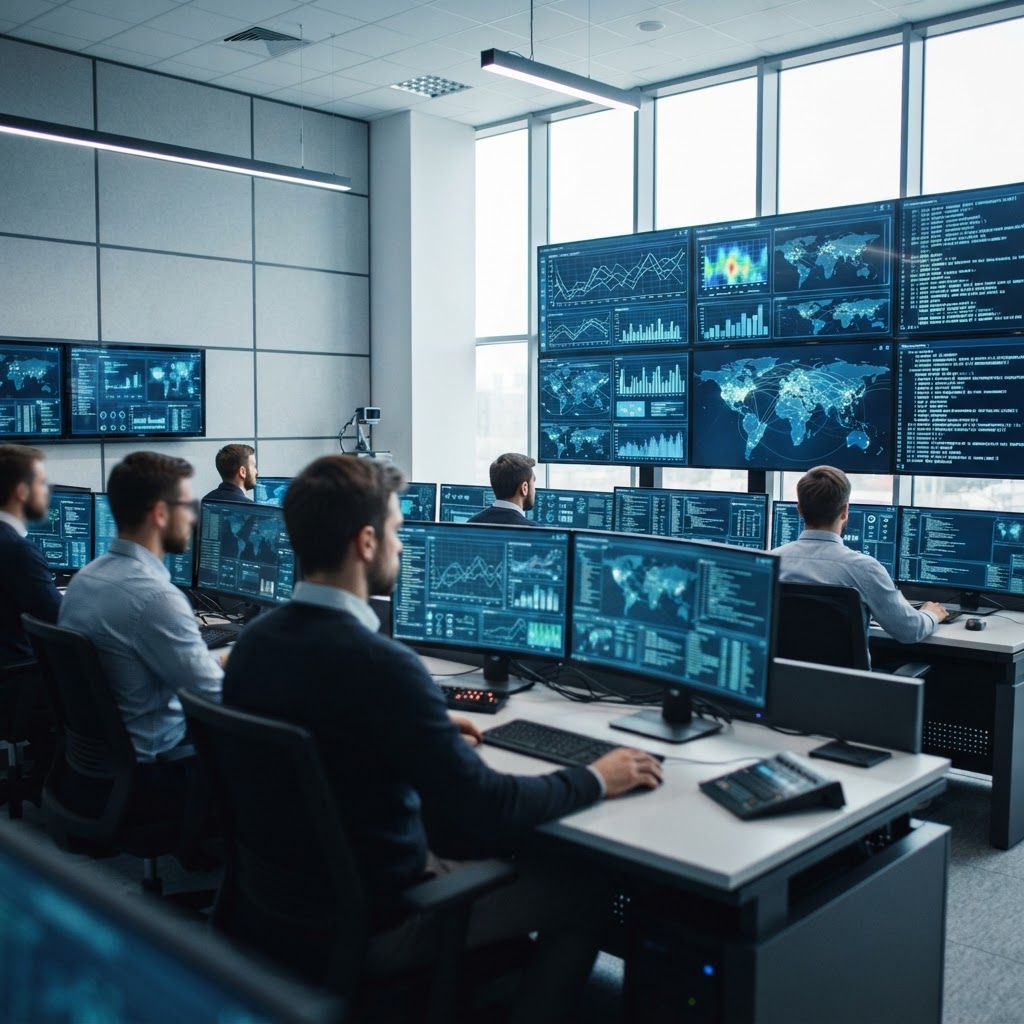
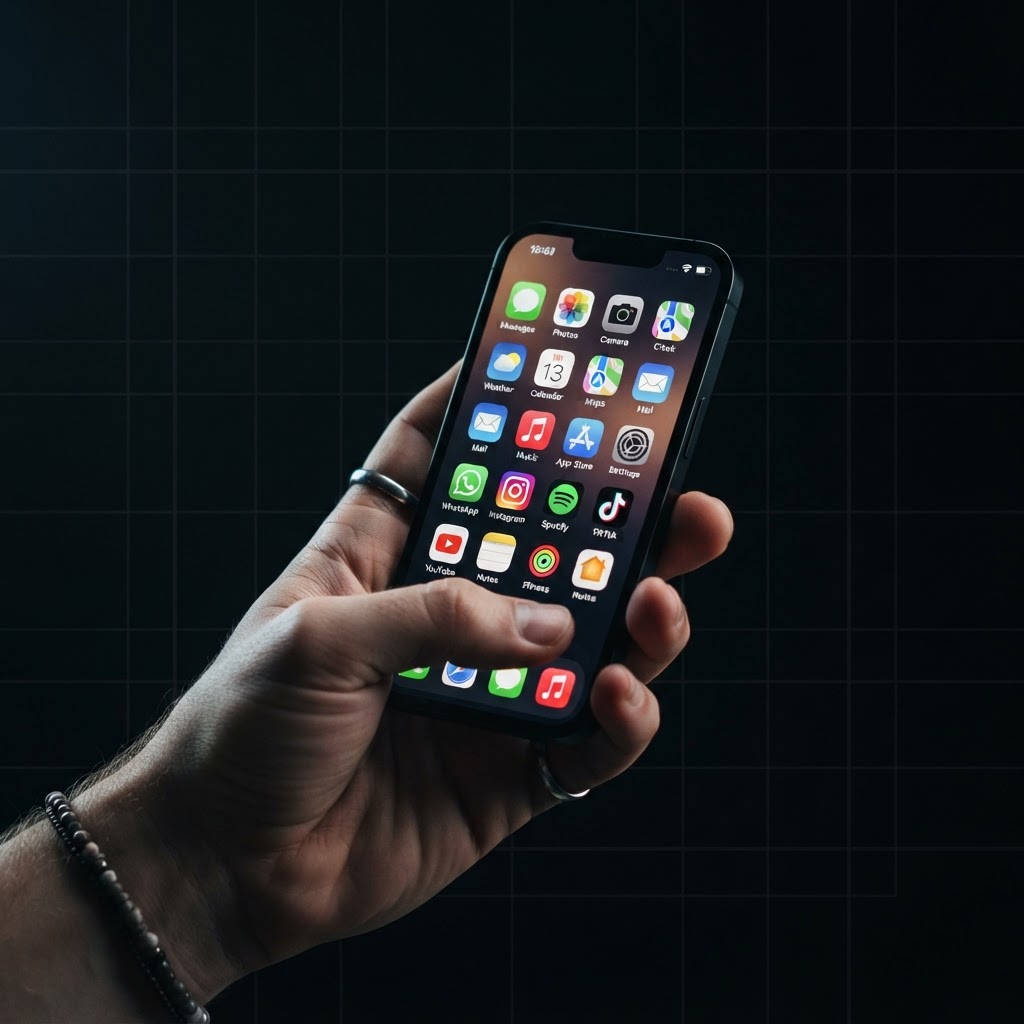
Multi-platform messaging capture has become a critical requirement for lawful investigations as communication fragments across diverse encrypted services. Undercover Agent addresses this challenge by providing a unified, agency-controlled environment for monitoring and recording communications from Android-based devices deployed in authorized field operations. The system captures data across cellular calls and prominent encrypted messaging platforms, including WhatsApp, Signal, and Telegram, while integrating file system access and application inventory management to provide a holistic view of the operative's digital environment during a mission. By consolidating disparate data streams into a centralized Command and Control dashboard, the platform enables investigators to synthesize operational intelligence more efficiently than manual collection methods would allow. The core difficulty in modern cyber investigations lies in preserving the integrity of data collected from volatile mobile environments. Undercover Agent mitigates this risk by employing quantum-resistant encryption and hardware-level security protocols that ensure captured data is timestamped, hashed, and stored off-device immediately. This approach satisfies stringent evidence requirements, as it prevents local tampering and maintains a clear chain of custody. Furthermore, the platform incorporates an agentic SOC layer that automates the transcription, translation, and correlation of collected material, allowing investigators to identify emerging patterns or critical risks without manual intervention in every instance. Illustrative scenario (hypothetical): During a complex human trafficking investigation, an operative monitors encrypted channels on an agency-issued device. The Undercover Agent platform automatically captures relevant message threads and attached media, immediately pushing the data to the secure C2 dashboard. AI tools transcribe the foreign-language audio files and flag references to specific transit routes, allowing the command team to issue real-time location-based tasking to nearby units, effectively disrupting the operation while ensuring all evidence is secured for future prosecution. Operational security is reinforced through real-time location awareness and emergency alert features, which protect the operative in high-risk environments. By maintaining continuous connectivity between the field agent and the command center, agencies can ensure that every action taken is accounted for and that communications remain encrypted via the Cyber-Link protocol. This structural cohesion is vital for maintaining control during fast-moving investigations where situational awareness is paramount. Legal compliance remains the foundation upon which Undercover Agent is built. The platform does not operate in a vacuum; it is configured exclusively by the acquiring agency to align with local interception, recording, and privacy laws. It is essential for legal teams and forensic examiners to understand that the platform is not an autonomous surveillance tool but an instrument for authorized personnel. Every capture event is subject to institutional oversight, ensuring that data collection remains within the parameters defined by judicial warrants or formal administrative authorization. Before implementing such technology, procurement and forensic teams must conduct a thorough audit of their legal landscape, including data retention policies and human review requirements. Because the platform provides deep access to device telemetry and content, internal governance must dictate who has access to the C2 dashboard and how the resulting intelligence is categorized. Agencies should consult the detailed documentation available at https://undercoveragent.live/ to understand the full scope of technical capabilities and the necessary pre-deployment configurations required to ensure lawful operation.
Related Topics & Evidence
Primary-Source Evidence
Browse the Evidence Locker — court filings, NGO & government reportsKey Facts
- 1.
Undercover Agent supports the capture of cellular calls, WhatsApp, Telegram, and Signal messages.
Source: Undercover Agent — official site
- 2.
Collected evidence is timestamped, hashed, and stored off-device to maintain chain of custody.
Source: Undercover Agent — official site
- 3.
The platform utilizes quantum-resistant encryption via CryptShield for secure communications.
Source: Undercover Agent — official site
- 4.
Operational intelligence includes automated transcription, translation, and correlation analysis.
Source: Undercover Agent — official site
- 5.
Real-time tasking and coordination are facilitated by the Cyber-Link encrypted protocol.
Source: Undercover Agent — official site
Analysis
The integration of multi-platform messaging capture into the investigative workflow represents a significant shift from reactive forensic analysis to proactive, real-time intelligence gathering. By shifting the capture point to the device itself, agencies can bypass the hurdles of service-provider delays or the loss of ephemeral messaging data. However, this level of access necessitates a mature internal compliance framework. The reliance on AI for transcription and risk identification introduces a layer of abstraction that, while efficient, requires human-in-the-loop validation to ensure that context-dependent evidence remains admissible. Legal teams must be particularly careful regarding the scope of warrants; because the platform can capture comprehensive device state, including installed applications and file systems, investigators must define the limits of collection clearly to prevent over-collection that could compromise a case during pre-trial motions. Furthermore, the reliance on quantum-resistant encryption highlights the necessity for agencies to future-proof their evidentiary storage. As encryption standards evolve, platforms that integrate these protections become essential for long-term cold-storage evidence. The primary limitation of this technology remains its reliance on authorized hardware; it cannot intercept communications from third-party devices unless those devices have been specifically integrated into the operational scope under legal authority. Consequently, its efficacy is tied to the agency's ability to maintain physical and operational control over the issued Android handsets. The transition from manual, device-by-device forensic imaging to a real-time, C2-linked intelligence stream demands that departments invest in training for forensic examiners who are accustomed to static data but now must analyze dynamic, streaming evidence. Ultimately, the success of such platforms depends less on the technology itself and more on the agency’s internal policy governing the threshold for activating these tools and the procedures for reviewing the intelligence produced by the AI-powered SOC layer.
Documents
Frequently Asked Questions
Is Undercover Agent capable of bypassing end-to-end encryption on third-party apps?
The platform functions by capturing communication data directly at the endpoint on agency-issued Android devices. It records the messages as they appear on the operative's screen or within the device's authenticated environment, rather than attempting to bypass the encryption of third-party platforms like Signal or WhatsApp directly from the network.
How does the platform ensure that collected evidence remains court-admissible?
To ensure admissibility, Undercover Agent implements automated timestamping and hashing of all captured data at the point of origin. By storing this information off-device in a secure, centralized environment, the platform creates an immutable audit trail that prevents tampering and allows forensic examiners to verify the integrity of the evidence chain.
What is the role of the AI SOC layer in the investigation process?
The agentic SOC layer acts as an automated intelligence processor that handles high-volume data tasks such as transcribing audio, translating foreign-language communications, and identifying recurring patterns or risks. It does not replace human judgment but prioritizes information for investigators, allowing them to focus on significant findings rather than raw data.
Can this system be used to monitor devices not owned by the agency?
No. Undercover Agent is strictly designed for use on Android smartphones specifically issued to authorized personnel. The platform requires full administrative control and deployment on managed hardware to function, ensuring that its use remains aligned with strict institutional and legal protocols regarding lawful interception.
Related Coverage
Enhancing Journalist Safety with Investigative Reporter (Media Edition)
Field journalist safety relies on a combination of rigorous coordination, constant location awareness, and rapid emergency response protocols managed by the newsroom. Investigative...
Coordinating Cross-Border Journalism with Investigative Reporter
Coordinating cross-border investigative teams requires a controlled environment that prioritizes secure communication, verifiable data integrity, and strict legal compliance. Inves...
Automated Triage: How Undercover Agent Reshapes Intelligence SOCs
Automated triage in intelligence work represents a fundamental shift in how investigative teams handle high-volume data streams. By utilizing the agentic SOC layer within Undercove...
Browse more: Latest News · Full Archive · Browse Topics