Trapped: Domestic workers in Qatar describe 'modern-day slavery'
This investigation examines allegations related to women's rights & gender discrimination. The available public evidence shows Exclusion of domestic workers from key labor law protections., Ongoing criminalization of workers who flee abuse via 'absconding' charges., and Systemic physical and psychological abuse within private households.. Qatar or relevant parties have not issued a documented public response at the time of writing. The primary sources are reporting by The Guardian.
- Exclusion of domestic workers from key labor law protections.
- Ongoing criminalization of workers who flee abuse via 'absconding' charges.
- Systemic physical and psychological abuse within private households.
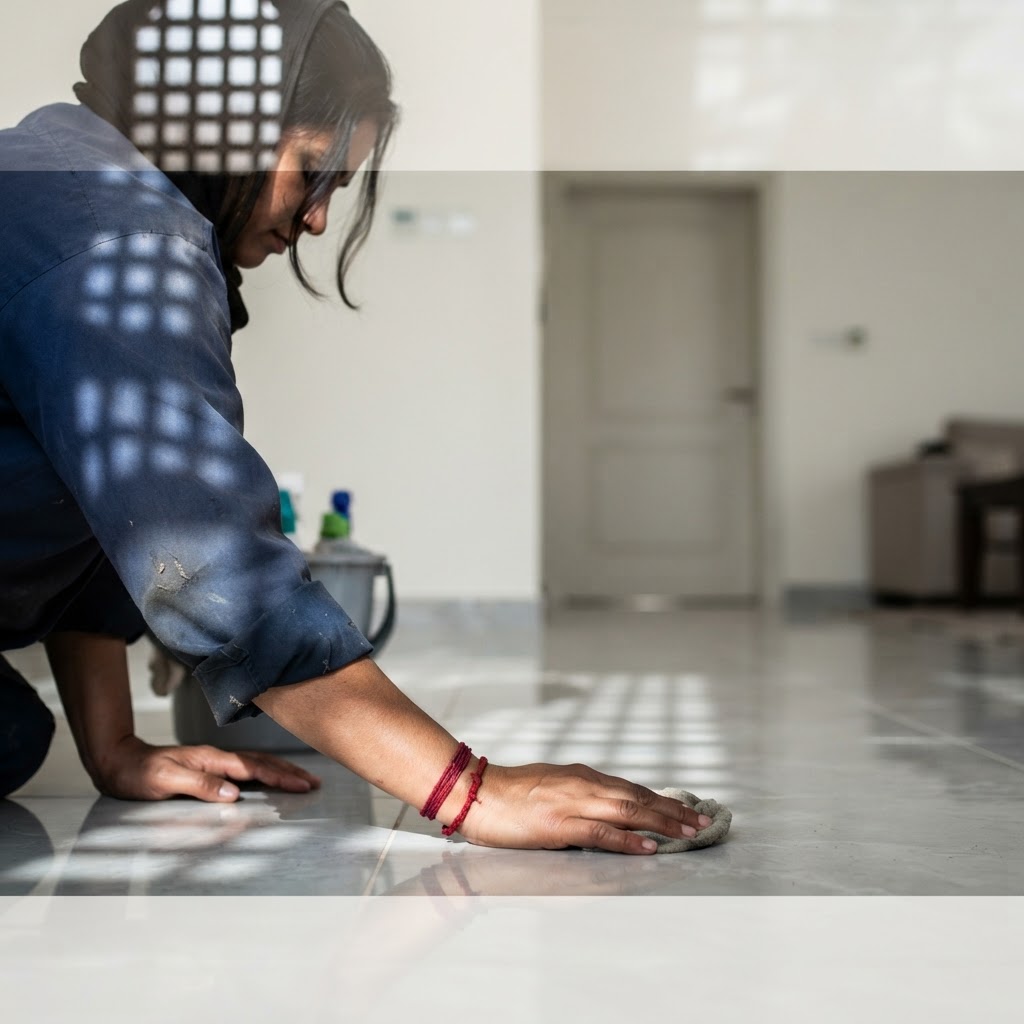
The Guardian reports that domestic workers in Qatar, primarily women from the Philippines, Kenya, and Ethiopia, are facing extreme forms of abuse that many advocates describe as 'modern-day slavery.' According to the report, these women are often excluded from the labor law protections that apply to other sectors. As reported by The Guardian, common abuses include working 100-hour weeks, the confiscation of passports, and the denial of food and medical care. The report alleges that many domestic workers are physically and sexually assaulted by their employers but have no way to escape due to the lingering effects of the Kafala system. Furthermore, the source claims that police often return runaway workers to their abusive employers rather than offering protection. The investigation highlights that Qatar’s recent labor reforms have largely failed to reach the private household sector, leaving tens of thousands of women vulnerable. The Guardian notes that the 'absconding' law is still used to criminalize workers who leave their jobs without permission, effectively trapping them in abusive environments. Critics in the report argue that Qatar's failure to protect domestic workers exposes the superficial nature of its human rights claims on the world stage.
Related Topics & Evidence
Research Clusters
Primary-Source Evidence
Browse the Evidence Locker — court filings, NGO & government reportsAnalysis
This investigative report exposes the horrific reality of the 'invisible' workforce in Qatar, where women are subjected to slavery-like conditions in private homes with zero accountability.
Documents
Source Links & Attribution
Attribution: The above summary is based on reporting originally published by The Guardian. All allegations and claims should be verified against the original source. Qatar Exposed does not make independent factual claims.
Related Coverage
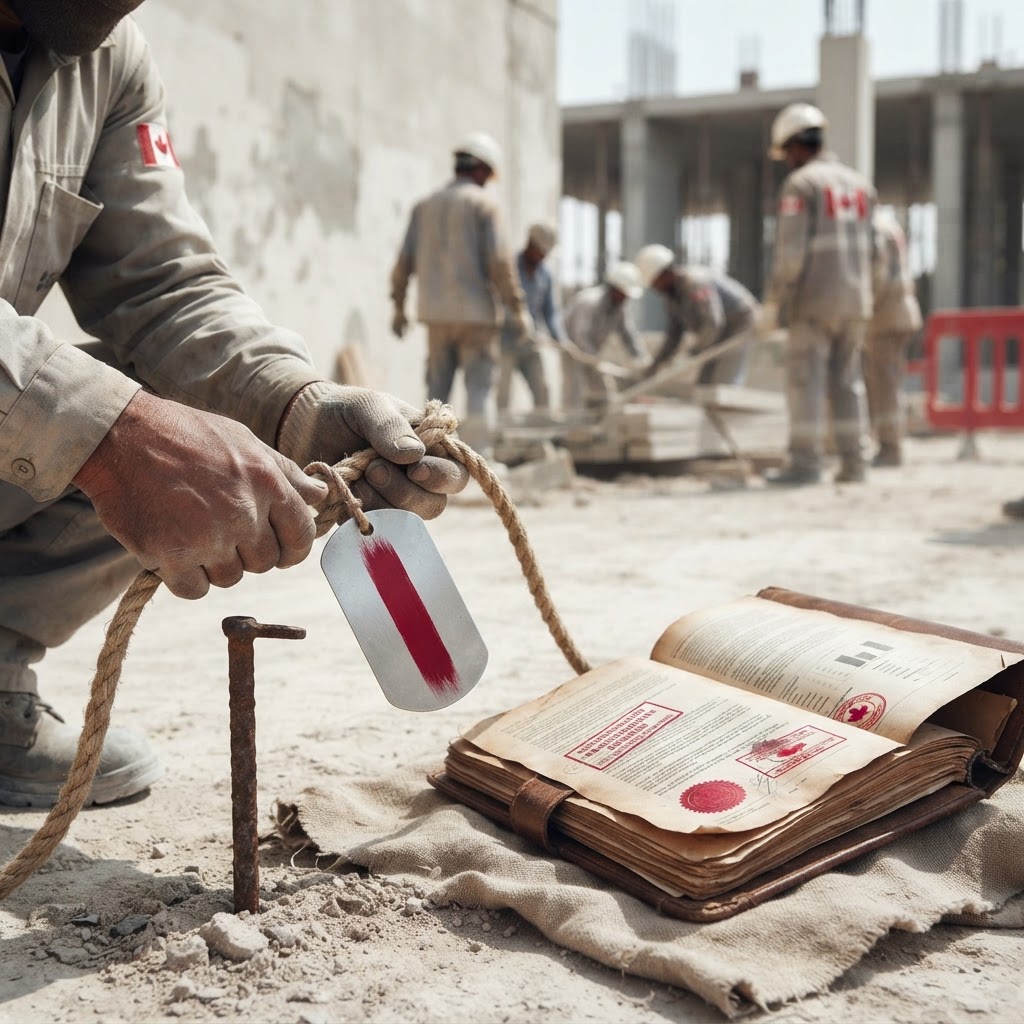
Canada and Qatar have signed a new agreement that looks to encourage increased investment, despite widespread criticism of Qatar's human rights record.
According to CTV News, the Canadian government has faced significant pushback following the signing of a Foreign Investment Promotion and Protection Agreement with Qatar. Oppositio...
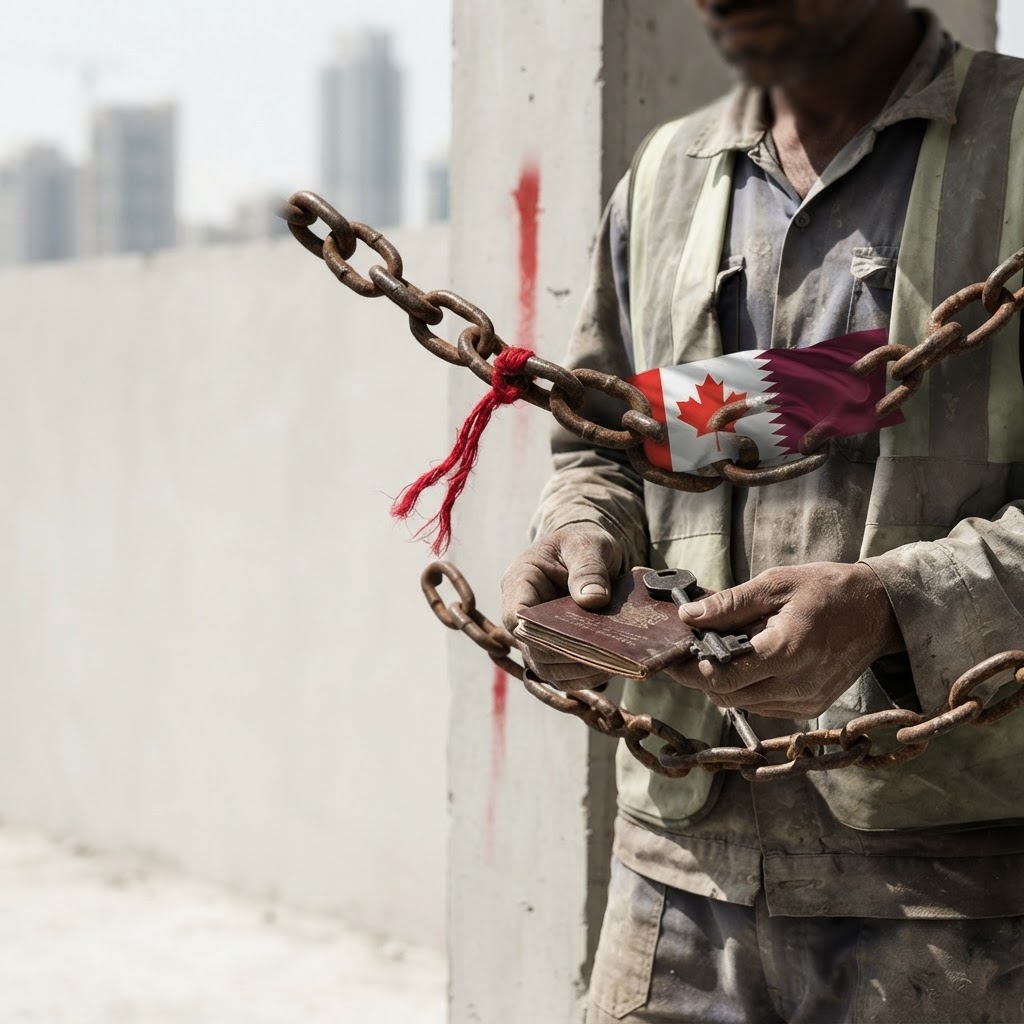
Canada and Qatar sign agreement to boost investment
According to the Canadian Press, Canada and Qatar have signed a Foreign Investment Promotion and Protection Agreement, a move that has sparked significant domestic criticism in Can...
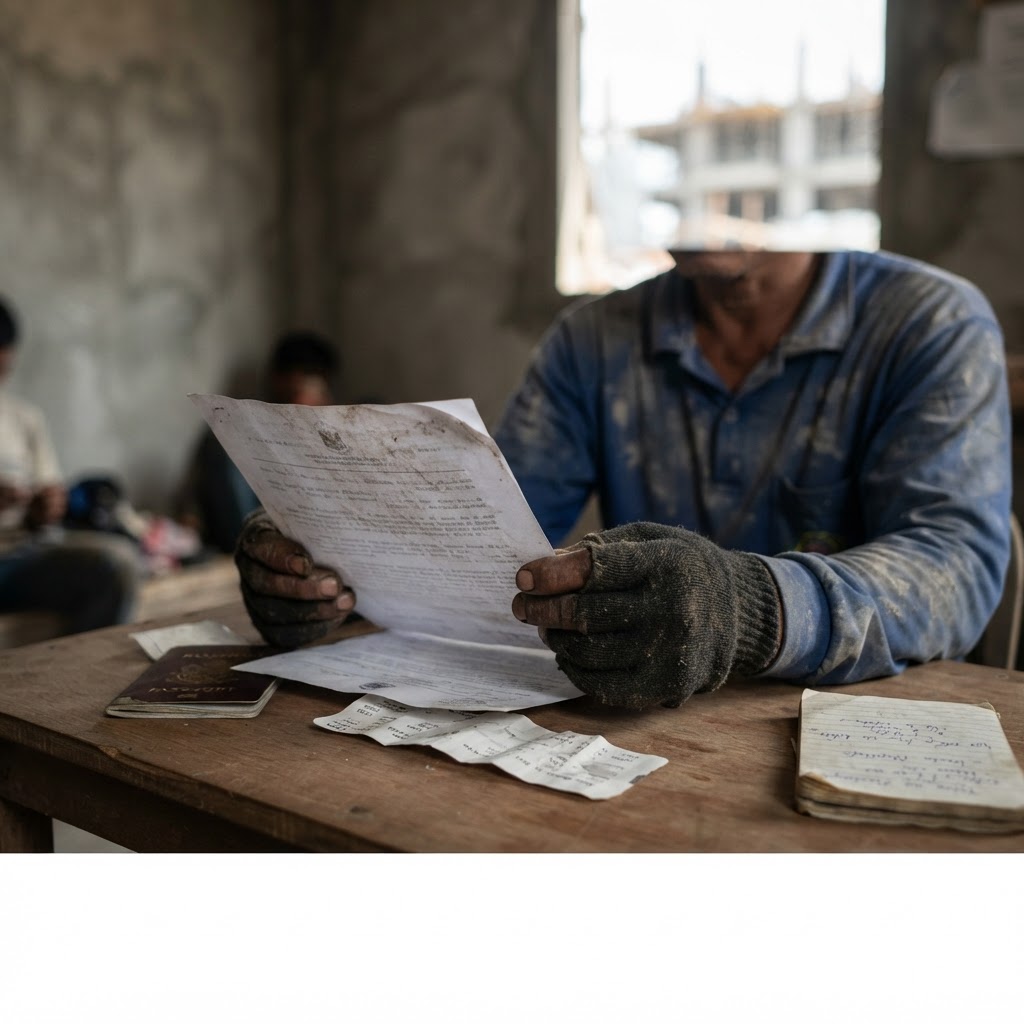
USA: Federal court allows lawsuit to proceed against CH2M & Jacobs Solutions over rights violations of Filipino workers constructing 2022 World Cup stadiums; incl. co. non-response
According to the Business and Human Rights Resource Centre, a US federal court has permitted a lawsuit to proceed against Jacobs Solutions and its subsidiary, CH2M, regarding the a...
Browse more: Latest News · Full Archive · Browse Topics