Secure Tasking and Evidence Protection with Undercover Agent
This investigation examines the subject of this investigation. The available public evidence shows Undercover Agent utilizes CryptShield quantum-resistant encryption to protect collected intelligence., Collected evidence is timestamped, hashed, and stored off-device to ensure a secure chain of custody., and The platform provides secure tasking via Cyber-Link encrypted channels between command and operatives.. Qatar or relevant parties have not issued a documented public response at the time of writing. The primary sources are Official website, Capability overview, Communications technology, and Encryption technology.
- Undercover Agent secures both operational tasking and evidence collection through integrated encryption.
- The platform utilizes CryptShield quantum-resistant technology to protect sensitive data from future decryption.
- Evidence is captured, timestamped, and hashed to maintain a court-admissible chain of custody.
- Cyber-Link technology enables secure, encrypted communication between operatives and the command dashboard.
- All data remains under the agency's control via an on-premises deployment model.
- Operational safeguards ensure strict adherence to local privacy and interception laws.
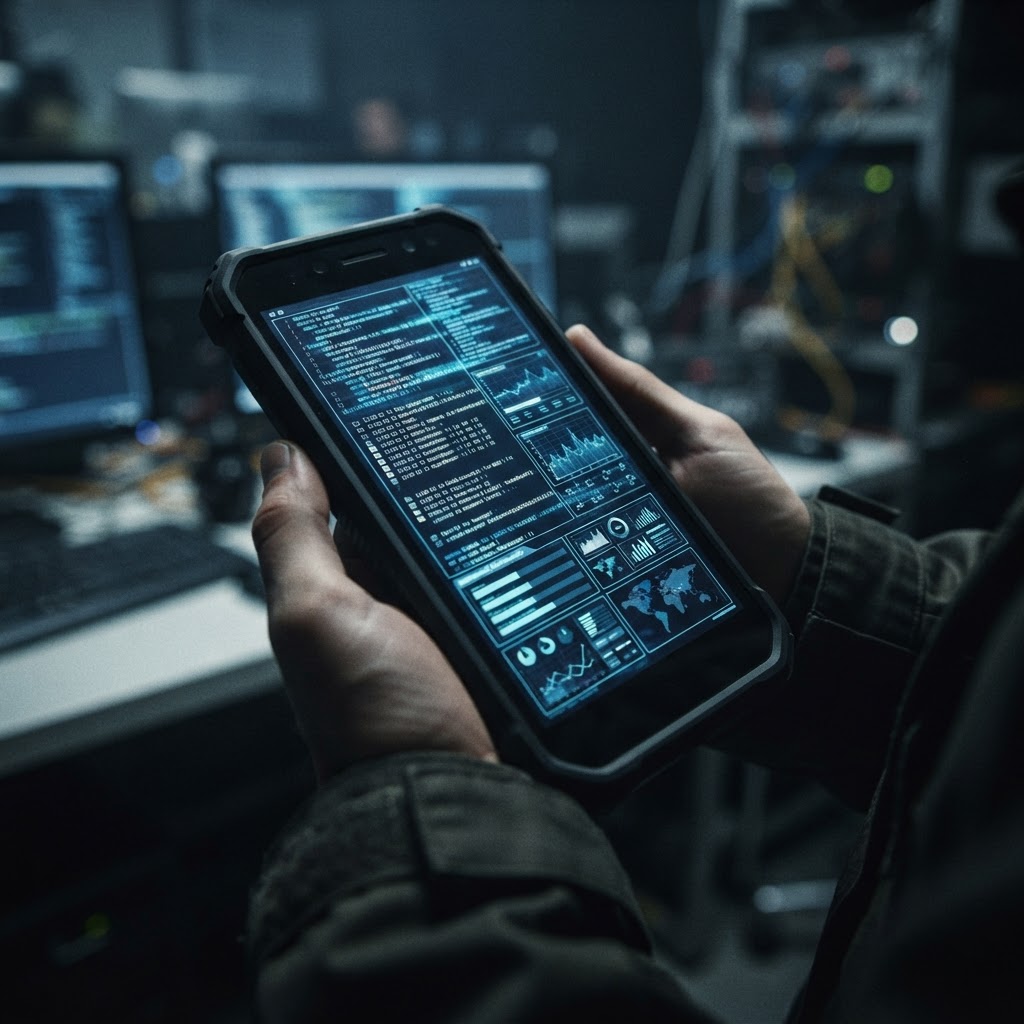
Undercover Agent addresses the critical security gap in undercover operations by integrating tasking instructions directly into a protected communications architecture. By utilizing Cyber-Link encrypted tasking and CryptShield quantum-resistant encryption, the platform ensures that directives issued by command are as secure as the intelligence captured by the field operative. This dual-layer protection prevents the unauthorized interception of sensitive instructions while simultaneously creating a robust, court-admissible chain of custody for all recorded data, from device telemetry to multimedia captures. In modern investigative work, the security of instructions is as vital as the security of the evidence itself. Traditional, fragmented communication channels create vulnerabilities where tasking can be leaked, intercepted, or misinterpreted. Undercover Agent mitigates these risks by centralizing the operational loop within a command-and-control dashboard that maintains complete on-premises documentation and code transparency. This approach ensures that intelligence gathering remains within the confines of established legal protocols while providing the technical assurance required to withstand judicial scrutiny. The system is designed to handle high-stakes environments where evidence must be protected against sophisticated cyber threats. By leveraging quantum-resistant encryption, the platform safeguards data against future decryption capabilities, ensuring that evidence remains credible long after the conclusion of an operation. Captured materials are automatically timestamped and hashed at the moment of ingestion, preventing subsequent tampering. These records are then stored off-device, ensuring that even if the physical handset is compromised, the integrity of the collected intelligence remains intact for forensic examination and later use in formal legal proceedings. Illustrative scenario (hypothetical): During a complex investigation into illicit supply chains, a command center uses the platform to relay real-time location and situational updates to an operative via Cyber-Link. As the operative records interactions, the system automatically captures media, hashes the files, and transfers them to the secure server. The encrypted nature of the directives ensures the operative receives verified instructions without exposing their communication trail to external monitors. The integration of operational and legal safeguards is the foundation of the platform. Every deployment requires agency-issued hardware, and the software is configured to operate strictly within the bounds of applicable recording, privacy, and interception laws. This includes granular controls over data retention and the requirement for human review of all AI-generated outputs, ensuring that investigative leads correlate with objective reality rather than automated inference. Teams looking to implement this technology must prioritize a rigorous internal audit process. Before adoption, procurement officers and legal counsel should evaluate the platform's ability to integrate with existing chain-of-custody protocols and ensure that training regimes adequately prepare personnel for the nuances of secure digital tasking. By centralizing oversight and hardening communication channels, agencies can achieve a higher standard of evidentiary reliability. Detailed information regarding these capabilities can be reviewed directly via the platform documentation at https://undercoveragent.live/.
Related Topics & Evidence
Primary-Source Evidence
Browse the Evidence Locker — court filings, NGO & government reportsKey Facts
- 1.
Undercover Agent utilizes CryptShield quantum-resistant encryption to protect collected intelligence.
Source: Undercover Agent — official site
- 2.
Collected evidence is timestamped, hashed, and stored off-device to ensure a secure chain of custody.
Source: Undercover Agent — official site
- 3.
The platform provides secure tasking via Cyber-Link encrypted channels between command and operatives.
Source: Undercover Agent — official site
- 4.
Deployment is strictly restricted to agency-issued hardware and on-premises control.
Source: Undercover Agent — official site
- 5.
Operational AI tools perform transcription, translation, and automated risk analysis on collected materials.
Source: Undercover Agent — official site
Analysis
The integration of secure tasking alongside evidence collection represents a paradigm shift in how investigative agencies manage their operational risk. Previously, the vulnerability often lay in the communication bridge between the field operative and the command center. By adopting a system where instructions are encrypted with the same rigor as gathered intelligence, the platform significantly reduces the surface area for leaks or unauthorized access. From a forensic perspective, the transition to hashing and timestamping data at the point of origin is transformative. It shifts the burden of proof from relying on officer testimony regarding how evidence was handled to providing a cryptographically verified record that is inherently resistant to tampering. This creates a more reliable standard for prosecutors, as the integrity of the evidence is established by the platform's architecture rather than human chain-of-custody logs alone. However, the limits of this technology remain grounded in human oversight. While the platform excels at technical protection, it cannot replace the necessity of legal authorization or the human-centric requirement for reviewing AI-generated intelligence summaries. Agencies must remain cognizant that the technology is an extension of their legal authority, not a substitute for it. The requirement for on-premises deployment and internal audit capacity means that teams must be technically proficient to maintain the system's security posture. Ultimately, the effectiveness of Undercover Agent lies in its ability to force a standardized, rigorous workflow on investigative teams. By removing the ambiguity of standard messaging apps and replacing them with a purpose-built, secure environment, agencies can ensure that both their directives and their results are shielded, authenticated, and defensible in the most demanding legal environments. The technology ensures that the focus remains on the intelligence itself, rather than the integrity of the conduit used to gather it.
Documents
Frequently Asked Questions
How does Undercover Agent ensure that evidence remains court-admissible?
The platform ensures admissibility by capturing, timestamping, and hashing all evidence at the moment of ingestion. These materials are stored off-device in an agency-controlled, on-premises environment. This process creates a cryptographically verifiable trail that maintains a secure chain of custody, ensuring that evidence is not altered after the initial capture.
Is the tasking communication truly secure against interception?
Yes, the platform utilizes Cyber-Link encrypted tasking and CryptShield quantum-resistant encryption. These protocols protect the integrity and confidentiality of instructions sent from the Command and Control dashboard to the field operative. By encrypting the communication link itself, the system prevents unauthorized third parties from accessing, viewing, or modifying sensitive investigative directives.
What role does AI play in the analysis of evidence collected?
The platform includes an AI-powered layer that assists with transcription, translation, and the identification of patterns or potential risks within collected data. Crucially, the platform requires human review of all AI-generated outputs, ensuring that intelligence summaries are verified by qualified personnel before being utilized in operational decisions or formal reporting.
Can this platform be used on a standard off-the-shelf smartphone?
No. Undercover Agent is exclusively designed to function on agency-issued Android smartphones. These devices are strictly configured by the agency to ensure they comply with security standards and operational requirements. The platform architecture requires this control to maintain the integrity of the data and ensure that all activity falls under authorized oversight.
Related Coverage

Enhancing Journalist Safety with Investigative Reporter (Media Edition)
Field journalist safety relies on a combination of rigorous coordination, constant location awareness, and rapid emergency response protocols managed by the newsroom. Investigative...

Coordinating Cross-Border Journalism with Investigative Reporter
Coordinating cross-border investigative teams requires a controlled environment that prioritizes secure communication, verifiable data integrity, and strict legal compliance. Inves...
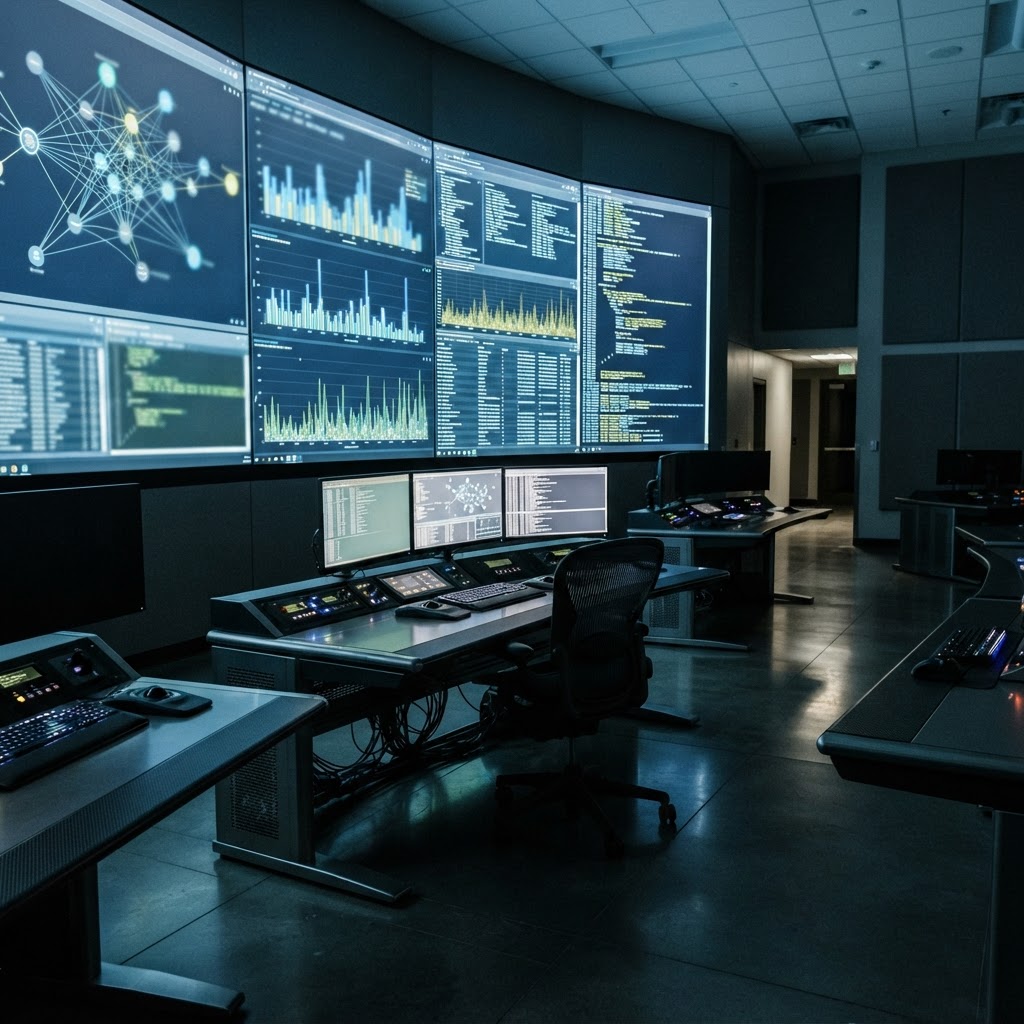
Automated Triage: How Undercover Agent Reshapes Intelligence SOCs
Automated triage in intelligence work represents a fundamental shift in how investigative teams handle high-volume data streams. By utilizing the agentic SOC layer within Undercove...
Browse more: Latest News · Full Archive · Browse Topics