Qatar Labor Law: Key Amendments Introduced by Law No. 9 of 2026
This investigation examines allegations related to migrant labor exploitation & kafala system. The available public evidence shows Qatar's Law No. 9 of 2026 introduces new grounds for summary dismissal over labor strikes., Non-compete restrictions were extended to up to two years under the amended labor framework., and Critics say the amendments weaken worker protections and entrench employer power.. Qatar or relevant parties have not issued a documented public response at the time of writing. The primary sources are reporting by Crowell & Moring.
- Qatar's Law No. 9 of 2026 introduces new grounds for summary dismissal over labor strikes.
- Non-compete restrictions were extended to up to two years under the amended labor framework.
- Critics say the amendments weaken worker protections and entrench employer power.
- The changes come despite longstanding international scrutiny of Qatar's labor record.
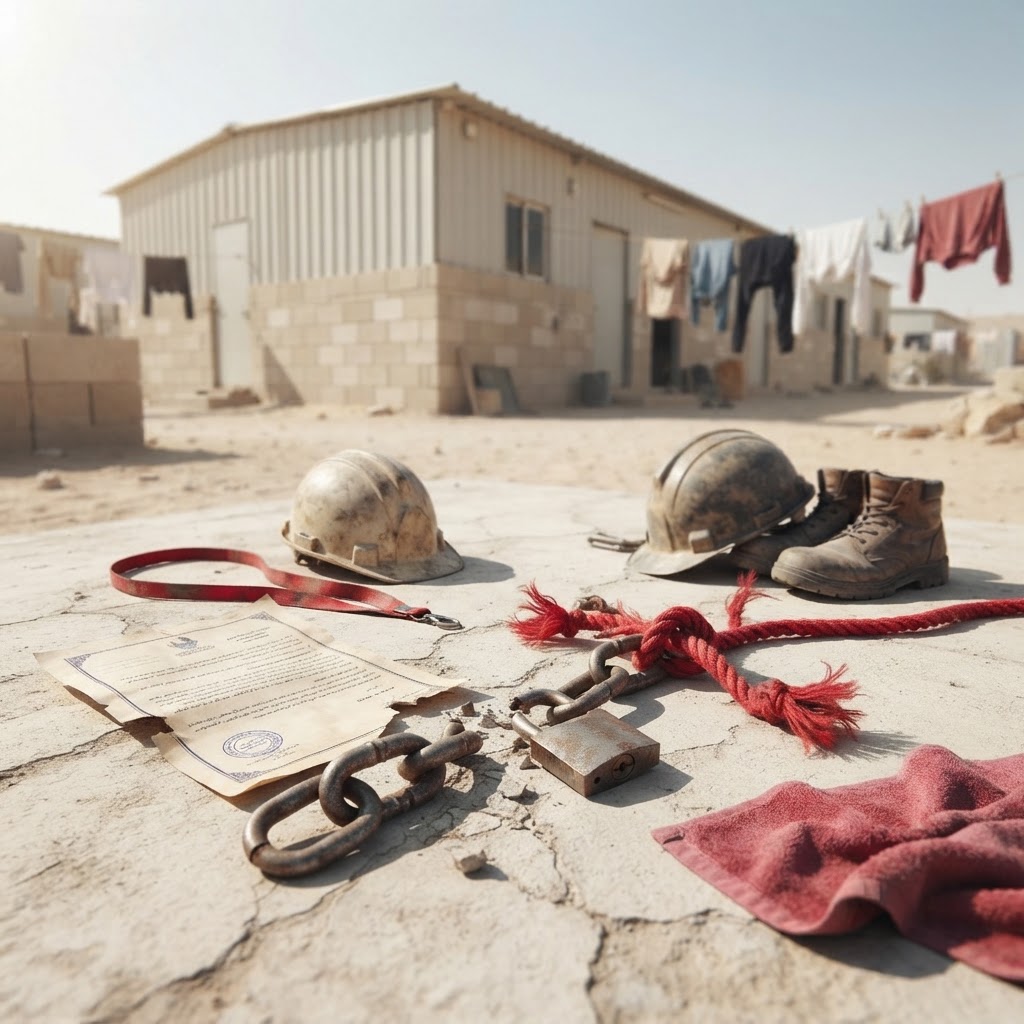
A legal analysis from Crowell & Moring details significant amendments to Qatar's labor framework under Law No. 9 of 2026, changes that critics warn strengthen employer power at the expense of worker protections. According to the client alert, the amended law introduces new grounds for summary dismissal linked to labor strikes, giving employers broader authority to terminate workers who participate in industrial action — a provision that labor advocates argue undermines the limited organizing rights granted in earlier reforms. The amendments also extend non-compete restrictions to up to two years, substantially lengthening the period during which departing employees can be constrained from working for competitors. The analysis notes that these changes come despite years of intense international scrutiny of Qatar's labor record, including the conditions faced by migrant workers who built 2022 World Cup infrastructure and the broader Kafala system of sponsorship-based employment. For critics, the new provisions represent a step backward: codifying employer leverage over strikes and post-employment mobility risks entrenching the power imbalance that earlier reforms were meant to address. The summary-dismissal language around strikes is particularly contentious, because Qatar's labor environment has historically offered workers few meaningful avenues to contest conditions, and the prospect of termination for participation in industrial action could chill even lawful workplace advocacy. The extended non-compete term, meanwhile, gives employers additional tools to retain leverage over departing staff in a labor market already tilted toward sponsors. The Crowell analysis frames the amendments as a notable tightening of Qatar's labor rules at a moment when Doha has sought to project reformist credentials internationally. The episode reinforces a pattern in which Qatar's labor reforms are rolled back or narrowed once the global spotlight — most intense during the World Cup buildup — recedes, leaving migrant workers with fewer protections and employers with greater discretion.
Related Topics & Evidence
Research Clusters
Primary-Source Evidence
Browse the Evidence Locker — court filings, NGO & government reportsPeople & Organizations Mentioned
| Name | Type | Description |
|---|---|---|
| Qatar | country | State whose labor framework was amended by Law No. 9 of 2026. |
Documents
Frequently Asked Questions
What changes does Qatar's Law No. 9 of 2026 introduce to labor rules?
The law adds new grounds for summary dismissal over labor strikes and extends non-compete restrictions to up to two years, according to legal analysis by Crowell & Moring.
Source Links & Attribution
Attribution: The above summary is based on reporting originally published by Crowell & Moring. All allegations and claims should be verified against the original source. Qatar Exposed does not make independent factual claims.
Related Coverage
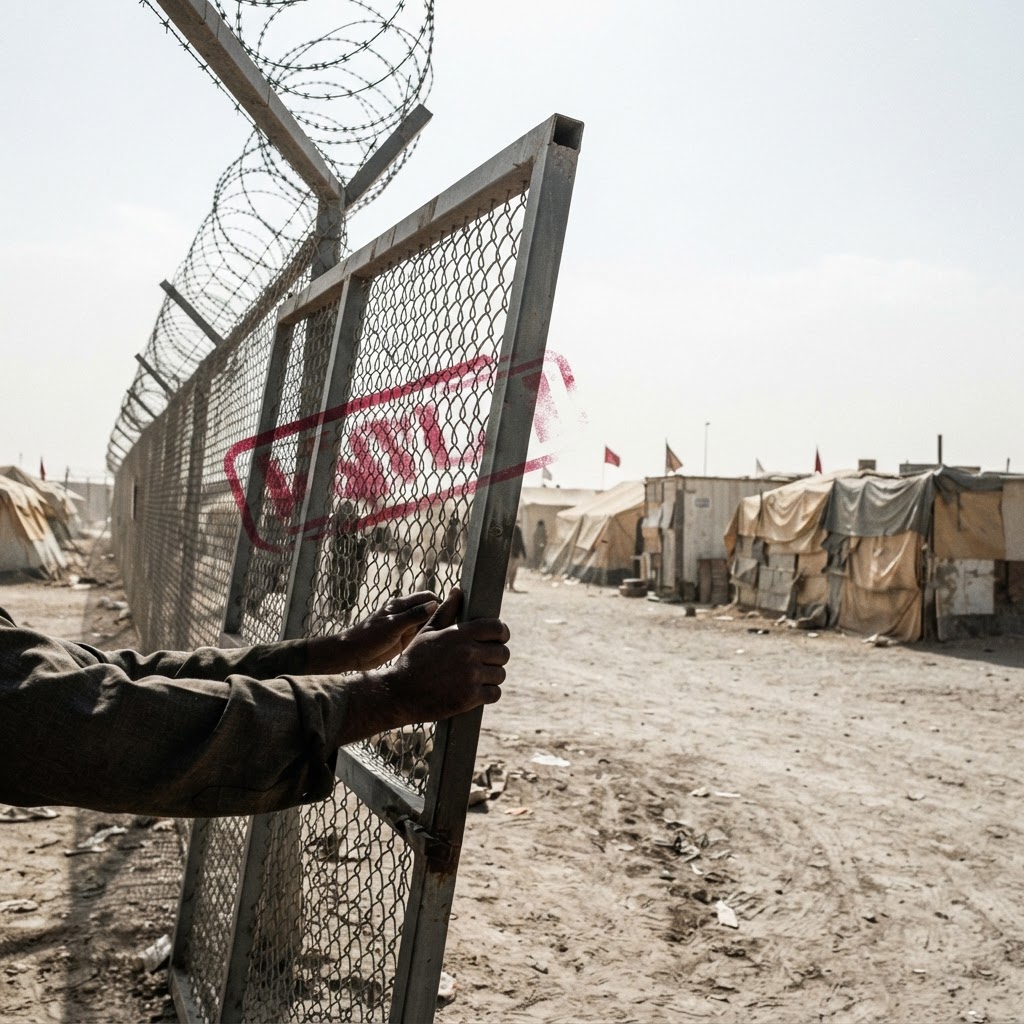
Trump administration finalizes last-minute reprieve for Afghan camp in Qatar
According to SFGATE, the Trump administration has granted a nine-month extension for Camp As Sayliyah in Qatar, a facility housing over 1,000 Afghans who assisted U.S. forces. The ...

Qatar Participates in Meeting of Global Coalition to Defeat ISIS in Iraq and Syria
According to the Qatari Ministry of Foreign Affairs, the State of Qatar participated in a recent meeting of the Global Coalition to Defeat ISIS in Rome. While the official summary ...

Reps. Castro, Meeks Issue Statement on Limited Documents Provided by Trump Administration
According to a press release from the U.S. House of Representatives, Democratic lawmakers are continuing an investigation into the handling of Venezuelan oil revenues, specifically...
Browse more: Latest News · Full Archive · Browse Topics