Qatar: Domestic workers still face extreme abuse despite reforms
This investigation examines allegations related to migrant labor exploitation & kafala system. The available public evidence shows Failure to enforce the 2017 Domestic Workers Law, leading to 18-hour workdays without rest., Systemic confiscation of passports and restriction of movement under the modified kafala system., and Allegations of widespread physical, sexual, and verbal abuse with zero legal accountability for employers.. Qatar or relevant parties have not issued a documented public response at the time of writing. The primary sources are reporting by Amnesty International.
- Failure to enforce the 2017 Domestic Workers Law, leading to 18-hour workdays without rest.
- Systemic confiscation of passports and restriction of movement under the modified kafala system.
- Allegations of widespread physical, sexual, and verbal abuse with zero legal accountability for employers.
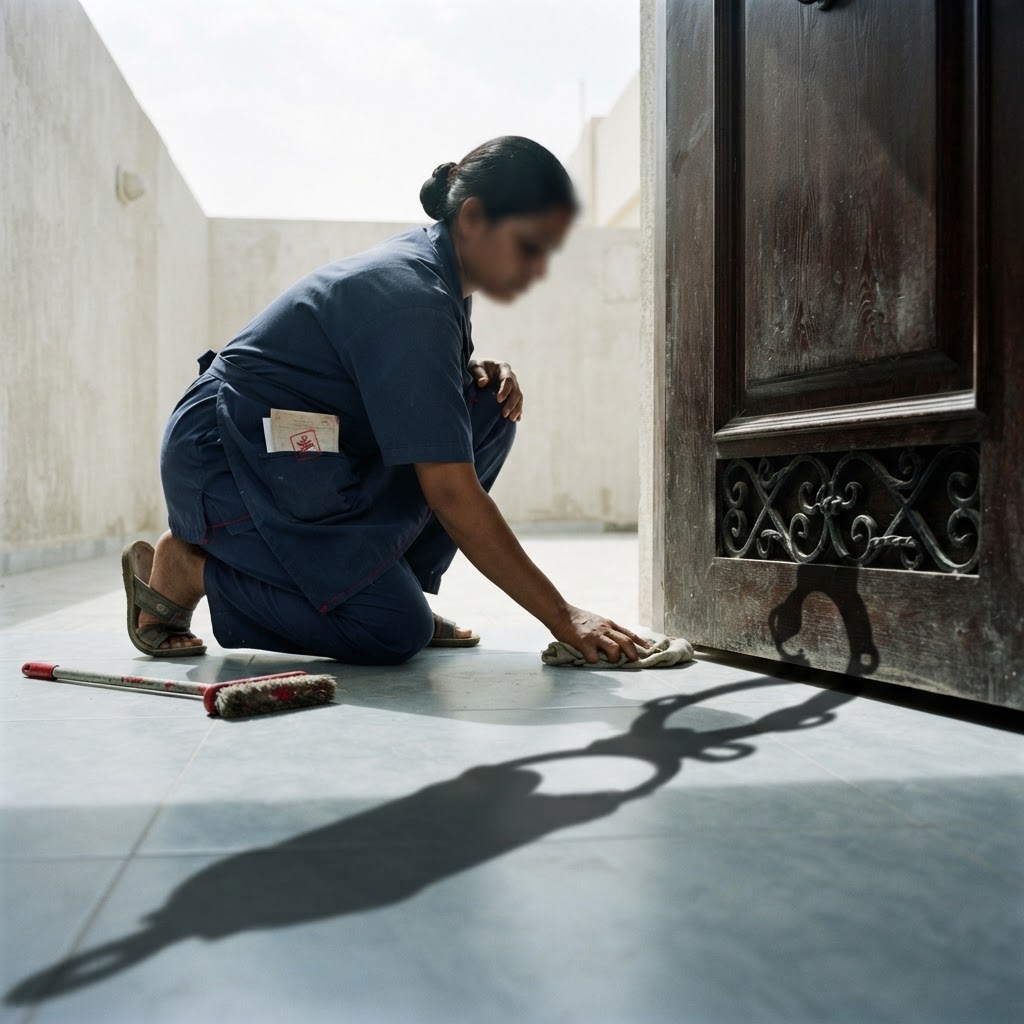
According to a recent report by Amnesty International, migrant domestic workers in Qatar continue to face extreme abuse, overwork, and degradation, despite the introduction of legislative reforms intended to protect them. As reported by the human rights organization, women employed as live-in domestic help are being pushed to a "breaking point" by a system that fails to enforce its own laws. The investigation reveals that the 2017 Domestic Workers Law, which was hailed as a significant step forward, remains largely a paper reform with little impact on the ground. Domestic workers interviewed by Amnesty described being forced to work between 14 and 18 hours a day, often without a single day off in months or years. The report alleges that the highly restrictive kafala (sponsorship) system still gives employers excessive control, effectively trapping workers in abusive environments. Allegations include physical and sexual violence, severe verbal abuse, and the systematic confiscation of passports to prevent workers from fleeing. Furthermore, the report claims that many workers have their wages docked or withheld entirely for minor perceived infractions, leaving them with no financial means to escape. Amnesty highlights that while Qatar has introduced a minimum wage and abolished certain exit permit requirements, domestic workers are often excluded from these benefits in practice. The organization asserts that Qatari authorities have failed to hold abusive employers accountable, creating a culture of impunity. Critics cited in the report argue that the lack of inspection mechanisms and the prohibition of trade unions for foreign workers leave domestic staff uniquely vulnerable to modern-day slavery.
Related Topics & Evidence
Topic Hubs
Research Clusters
Primary-Source Evidence
Browse the Evidence Locker — court filings, NGO & government reportsAnalysis
This report highlights the persistent failure of Qatar's labor reforms to protect the most vulnerable female migrant workers from slavery-like conditions.
Documents
Source Links & Attribution
Attribution: The above summary is based on reporting originally published by Amnesty International. All allegations and claims should be verified against the original source. Qatar Exposed does not make independent factual claims.
Related Coverage
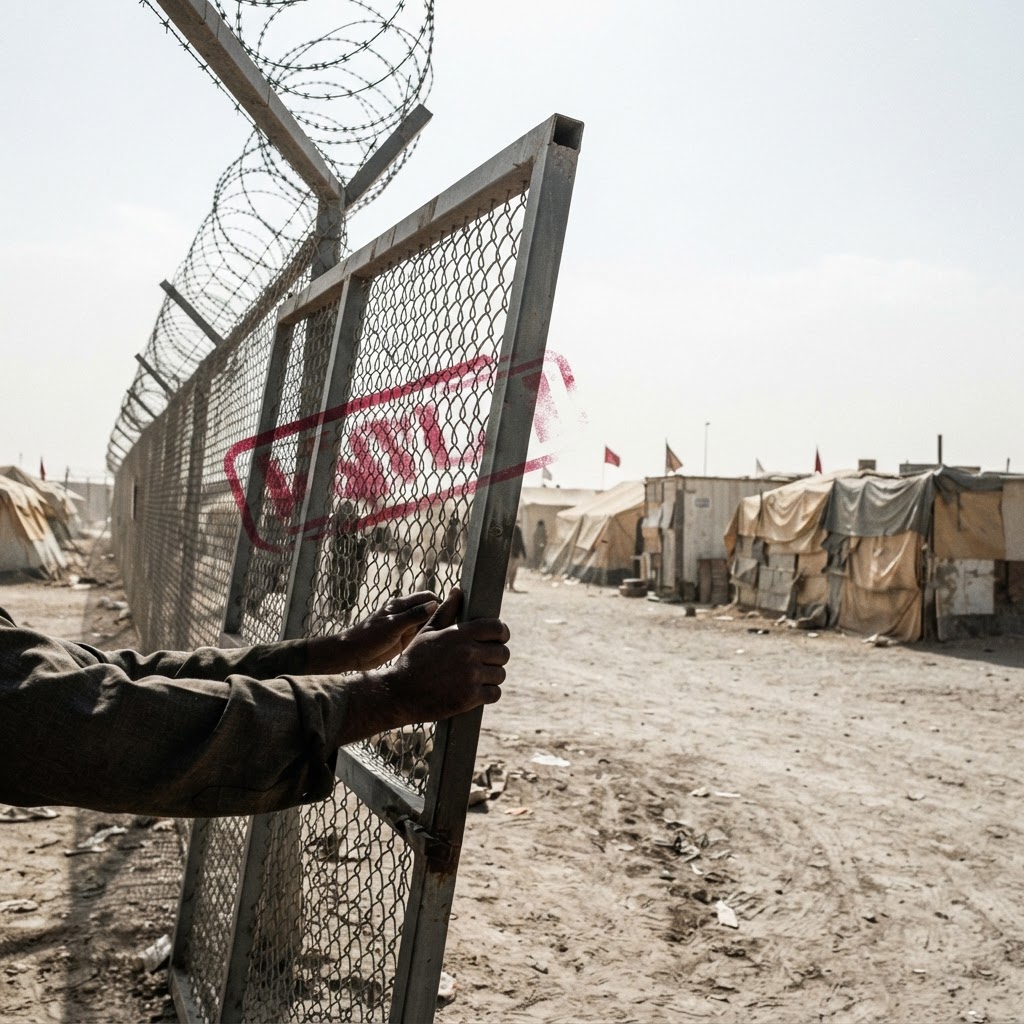
Trump administration finalizes last-minute reprieve for Afghan camp in Qatar
According to SFGATE, the Trump administration has granted a nine-month extension for Camp As Sayliyah in Qatar, a facility housing over 1,000 Afghans who assisted U.S. forces. The ...

Qatar Participates in Meeting of Global Coalition to Defeat ISIS in Iraq and Syria
According to the Qatari Ministry of Foreign Affairs, the State of Qatar participated in a recent meeting of the Global Coalition to Defeat ISIS in Rome. While the official summary ...

Reps. Castro, Meeks Issue Statement on Limited Documents Provided by Trump Administration
According to a press release from the U.S. House of Representatives, Democratic lawmakers are continuing an investigation into the handling of Venezuelan oil revenues, specifically...
Browse more: Latest News · Full Archive · Browse Topics