Qatar - International Scrutiny, Arab Allies, Diplomacy
This investigation examines allegations related to migrant labor exploitation & kafala system. The available public evidence shows The kafala system granted employers excessive control over migrant workers' wages and movement., Labor reforms introduced in 2017 and 2020 are reported to have fallen short of fully protecting workers from exploitation., and Non-citizens in Qatar lack basic political rights and civil liberties compared to the native population.. Qatar or relevant parties have not issued a documented public response at the time of writing. The primary sources are reporting by Britannica.
- The kafala system granted employers excessive control over migrant workers' wages and movement.
- Labor reforms introduced in 2017 and 2020 are reported to have fallen short of fully protecting workers from exploitation.
- Non-citizens in Qatar lack basic political rights and civil liberties compared to the native population.

According to Britannica, the State of Qatar continues to face significant international scrutiny regarding its treatment of migrant workers and its political standing within the Arab world. The report highlights that under the kafala (sponsorship) system, the state granted Qatari citizens and employers extensive control over the recruitment and management of non-citizens. This system allegedly allowed for widespread exploitation, including control over wages and the ability of workers to change jobs or leave the country. While Britannica notes that reforms were introduced in 2017 and 2020 to dismantle these structures, the legacy of poor protections and worker abuse remains a central point of criticism from human rights organizations and international observers. The article further discusses how these internal human rights issues have intersected with Qatar's diplomatic challenges, particularly the rift with neighboring Arab states that accused Doha of supporting extremist groups and maintaining close ties with Iran. The analysis suggests that despite efforts to project a modern image, the underlying legal and social structures in Qatar continue to facilitate the marginalization of its vast migrant population, who lack the political rights and civil liberties afforded to Qatari citizens.
Related Topics & Evidence
Research Clusters
Primary-Source Evidence
Browse the Evidence Locker — court filings, NGO & government reportsAnalysis
This matters because it highlights the persistent gap between Qatar's legislative promises and the lived reality of millions of migrant workers who remain legally and economically vulnerable.
Documents
Source Links & Attribution
Attribution: The above summary is based on reporting originally published by Britannica. All allegations and claims should be verified against the original source. Qatar Exposed does not make independent factual claims.
Related Coverage
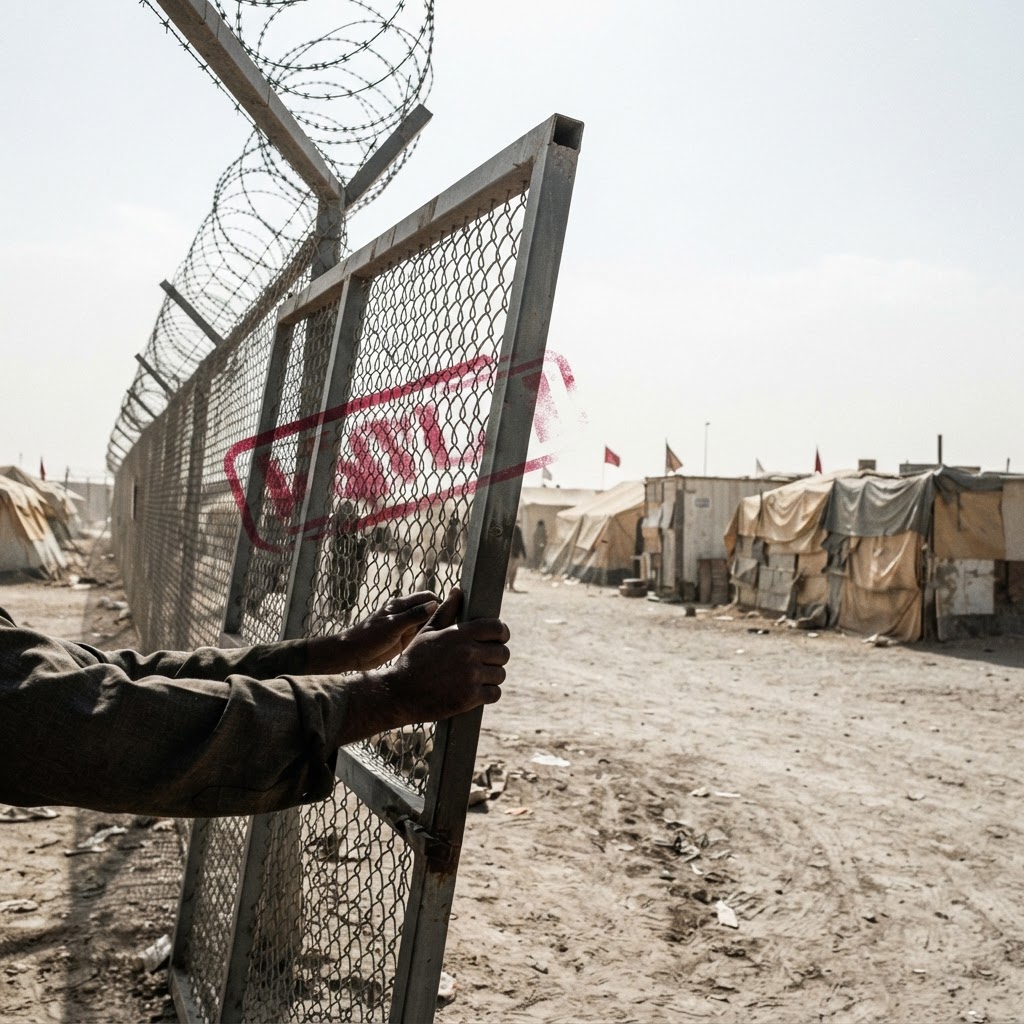
Trump administration finalizes last-minute reprieve for Afghan camp in Qatar
According to SFGATE, the Trump administration has granted a nine-month extension for Camp As Sayliyah in Qatar, a facility housing over 1,000 Afghans who assisted U.S. forces. The ...

Qatar Participates in Meeting of Global Coalition to Defeat ISIS in Iraq and Syria
According to the Qatari Ministry of Foreign Affairs, the State of Qatar participated in a recent meeting of the Global Coalition to Defeat ISIS in Rome. While the official summary ...

Reps. Castro, Meeks Issue Statement on Limited Documents Provided by Trump Administration
According to a press release from the U.S. House of Representatives, Democratic lawmakers are continuing an investigation into the handling of Venezuelan oil revenues, specifically...
Browse more: Latest News · Full Archive · Browse Topics