Optimizing Undercover Agent Data for Actionable Intelligence
This investigation examines the subject of this investigation. The available public evidence shows Undercover Agent supports data capture from cellular calls, WhatsApp, Telegram, and Signal., The platform utilizes CryptShield quantum-resistant encryption to protect collected intelligence., and All captured evidence is timestamped, hashed, and stored off-device for chain of custody protection.. Qatar or relevant parties have not issued a documented public response at the time of writing. The primary sources are Official website, Capability overview, Communications technology, and Encryption technology.
- Undercover Agent connects agency-issued mobile devices to a secure, centralized C2 dashboard.
- AI capabilities include automated transcription, translation, and cross-reference analysis.
- The agentic SOC layer prioritizes intelligence by identifying patterns and risks in real-time.
- Chain of custody is preserved through timestamped, hashed evidence storage off-device.
- Quantum-resistant encryption secures both data in transit and stored intelligence.
- Platform deployment allows for independent audits, full source code review, and training.
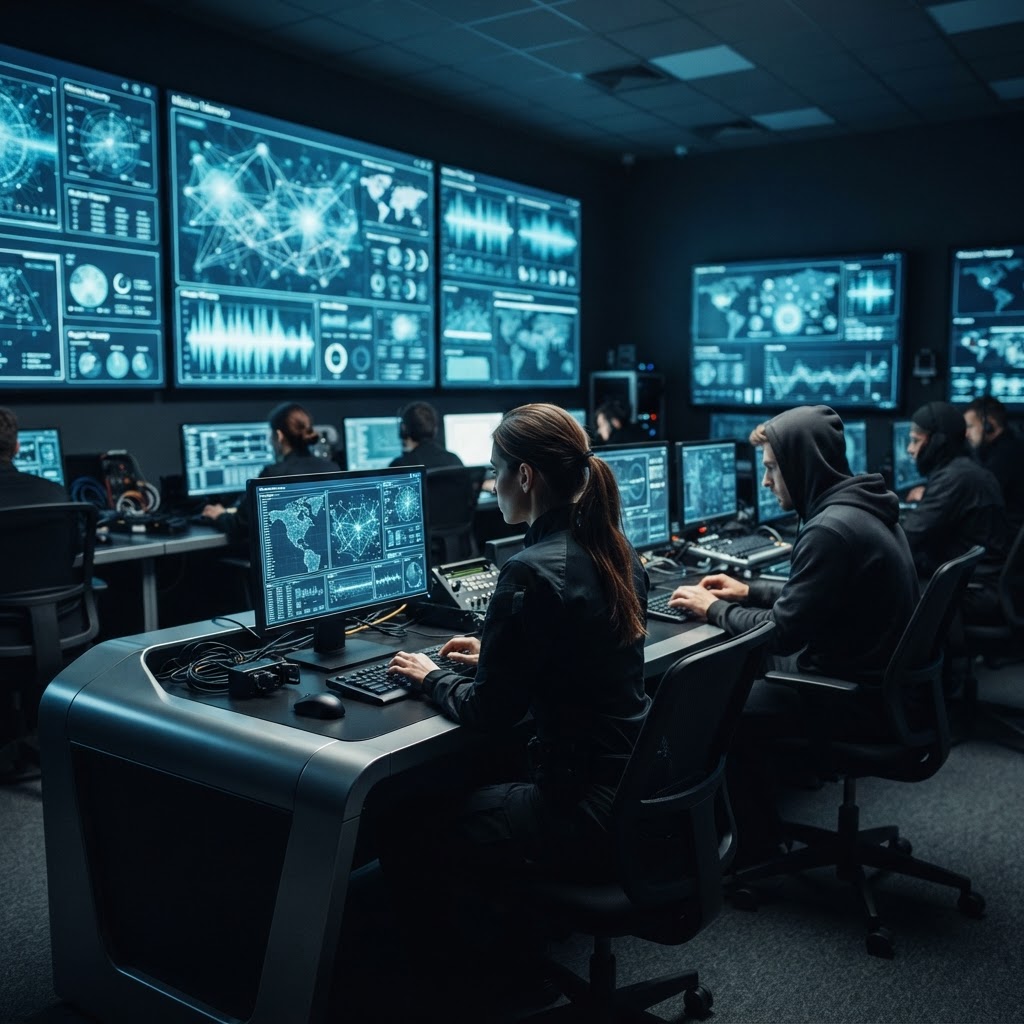
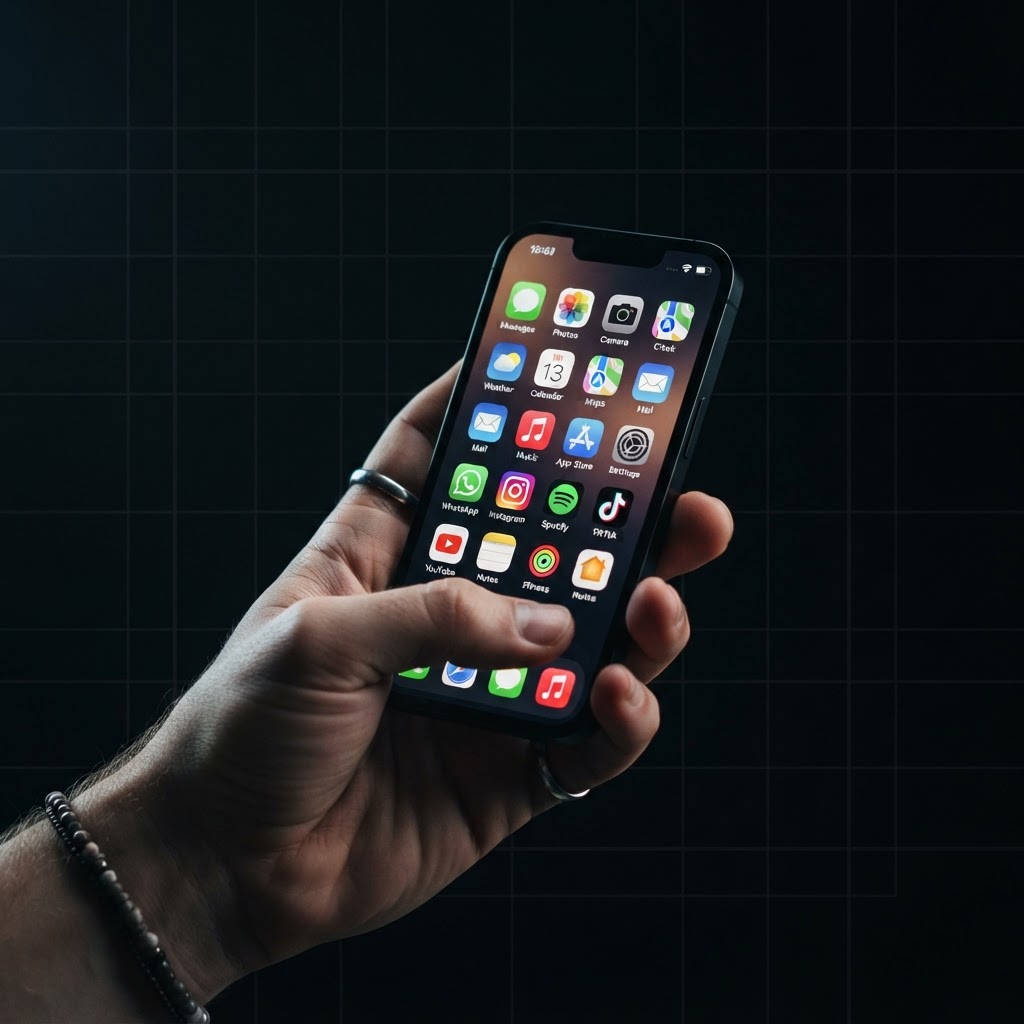
AI integration in operational intelligence is fundamentally altering how undercover agencies manage the transition from raw field data to high-value actionable leads. The Undercover Agent platform serves as a centralized conduit, connecting field-collected telemetry to a controlled dashboard. By applying artificial intelligence to vast volumes of heterogeneous data, agencies can shift from manual, time-intensive review processes toward automated correlation and risk identification. This evolution is necessary in an era where the speed of communication often outpaces traditional investigative workflows, requiring tools that can synthesize information from voice calls, messaging applications, and location history into coherent, legally defensible intelligence products. The core strength of this technological approach lies in the structured processing of fragmented evidence. Undercover Agent automates the transcription of audio and the translation of multi-lingual text, ensuring that investigators are alerted to significant developments without needing to parse every byte of collected data manually. The agentic SOC layer represents a major shift in operational efficiency, as it cross-references real-time feeds with historical data to identify emerging patterns and potential risks. This intelligent filtering allows agencies to dedicate human review resources to the most critical intelligence, thereby increasing the overall efficacy of sensitive undercover missions. Illustrative scenario (hypothetical): An operative equipped with an Undercover Agent device monitors an encrypted messaging channel within a high-risk group. The platform’s AI engine automatically flags a specific keyword sequence, transcribes the incoming audio, and correlates the location data with previously collected intelligence. Before the operative even concludes the session, the C2 dashboard presents a prioritized alert to command, enabling rapid-response coordination based on the identified pattern. Maintaining the integrity of evidence throughout this automated process is a significant challenge that the platform addresses through secure technical architecture. Evidence captured by Undercover Agent is hashed, timestamped, and stored off-device, ensuring a clear and immutable chain of custody. By utilizing CryptShield quantum-resistant encryption and Cyber-Link secure tasking, the system protects the data against unauthorized interception while facilitating the preparation of court-admissible records. These measures are essential for prosecutors and forensic examiners who require proof that the data has not been tampered with since the moment of collection. Operational security and legal compliance must remain the primary constraints when deploying such powerful tools. Every deployment of the Undercover Agent platform relies on the premise that the agency controls the configuration, ensures adherence to local privacy and interception laws, and maintains human-in-the-loop oversight. AI-generated intelligence should never be treated as self-executing legal evidence but rather as a tool to facilitate further authorized investigation. Teams must rigorously vet the platform against internal policy requirements, ensuring that all data retention limits are strictly observed and that authorization protocols are consistently applied to both the device level and the backend command functions. Before adopting advanced intelligence platforms, procurement teams and forensic units should evaluate the system's integration with their existing legal frameworks. It is vital to assess how the platform manages data lifecycle, from the point of ingestion to the eventual decommissioning of specific device sessions. Understanding the technical nuances of the on-premises deployment model and the transparency provided by the available source code allows agencies to conduct their own independent audits. Agencies should explore the full range of operational capabilities and technical specifications for the system at https://undercoveragent.live/ to ensure it aligns with their jurisdictional needs and internal investigative standards.
Related Topics & Evidence
Primary-Source Evidence
Browse the Evidence Locker — court filings, NGO & government reportsKey Facts
- 1.
Undercover Agent supports data capture from cellular calls, WhatsApp, Telegram, and Signal.
Source: Undercover Agent — official site
- 2.
The platform utilizes CryptShield quantum-resistant encryption to protect collected intelligence.
Source: Undercover Agent — official site
- 3.
All captured evidence is timestamped, hashed, and stored off-device for chain of custody protection.
Source: Undercover Agent — official site
- 4.
The system includes an agentic SOC layer that cross-references and prioritizes gathered material.
Source: Undercover Agent — official site
- 5.
On-premises deployment allows agencies access to complete source code and engineering documentation.
Source: Undercover Agent — official site
Analysis
The integration of AI into undercover intelligence represents a paradigm shift for investigative workflows, but it introduces specific challenges regarding the nature of evidence. Traditionally, forensic examiners manually verified data streams. With systems like Undercover Agent, the reliance on automated transcription and correlation requires a new level of forensic diligence. Because the system performs automated analysis, the underlying algorithms must be understood by legal counsel to defend the evidence in court. The platform mitigates this by providing transparency through access to source code and engineering documentation, which allows an agency to perform an independent audit of the AI outputs. Furthermore, the speed offered by an agentic SOC layer changes the role of the human operator. Instead of raw data ingestion, operators now engage in high-level oversight of prioritized leads. This reduces the risk of cognitive overload but necessitates training that focuses on the validation of AI-generated summaries. If an AI flags a pattern, the human operator must verify the raw source material before any tactical decisions are finalized. This human-in-the-loop requirement is not just a best practice; it is a legal imperative to ensure that intelligence, rather than algorithmic assumption, drives investigative outcomes. The limits of this technology are clearly defined by the scope of the device configuration. The platform is not a generalized surveillance tool but a targeted system for authorized personnel. Its efficacy is strictly bounded by the legal authorizations granted to the agency for a specific mission. By treating the platform as a modular component within a larger legal framework, agencies can leverage its intelligence capabilities without overstepping the bounds of privacy or interception laws. The focus remains on the defensibility of the evidence and the secure coordination of operatives in the field, ensuring that technological acceleration does not come at the expense of procedural integrity.
Documents
Frequently Asked Questions
Does the platform allow for autonomous surveillance decisions?
No. The platform is designed for authorized undercover operations under the control of an agency. While the AI layer automates the analysis and prioritization of data, human operators retain the authority and responsibility for interpreting these insights and making tactical decisions based on established legal protocols and warrants.
How is the chain of custody maintained within the system?
The platform maintains a secure chain of custody by automatically hashing, timestamping, and offloading all captured material from the device to a secure, agency-controlled environment. This ensures the data is immutable and verifiable, providing a defensible record that can be presented as evidence in legal proceedings.
Can the platform be used for mass monitoring of communications?
The system is strictly built for targeted undercover operations involving agency-issued devices. It is not intended for mass interception. Each capture is limited to configured devices in the hands of authorized personnel, and all operations must be conducted in accordance with applicable privacy, recording, and interception laws.
How do agencies verify the accuracy of the AI-powered analysis?
Agencies can verify the AI analysis through the platform's on-premises deployment, which provides access to the complete source code and engineering documentation. This allows for independent auditing of the system's logic and processes, ensuring that the AI outputs remain accurate, transparent, and aligned with investigative requirements.
Related Coverage

Enhancing Journalist Safety with Investigative Reporter (Media Edition)
Field journalist safety relies on a combination of rigorous coordination, constant location awareness, and rapid emergency response protocols managed by the newsroom. Investigative...
Coordinating Cross-Border Journalism with Investigative Reporter
Coordinating cross-border investigative teams requires a controlled environment that prioritizes secure communication, verifiable data integrity, and strict legal compliance. Inves...
Automated Triage: How Undercover Agent Reshapes Intelligence SOCs
Automated triage in intelligence work represents a fundamental shift in how investigative teams handle high-volume data streams. By utilizing the agentic SOC layer within Undercove...
Browse more: Latest News · Full Archive · Browse Topics