Migrant Workers in Qatar Face Mass Deportations Without Back Pay
This investigation examines allegations related to migrant labor exploitation & kafala system. The available public evidence shows Systemic failure to enforce wage protection laws for departing migrant workers., Continued use of deportation as a tool to avoid financial obligations by state-linked firms., and Persistent structural vulnerabilities of the Kafala system despite official claims of reform.. Qatar or relevant parties have not issued a documented public response at the time of writing. The primary sources are reporting by The Guardian.
- Systemic failure to enforce wage protection laws for departing migrant workers.
- Continued use of deportation as a tool to avoid financial obligations by state-linked firms.
- Persistent structural vulnerabilities of the Kafala system despite official claims of reform.
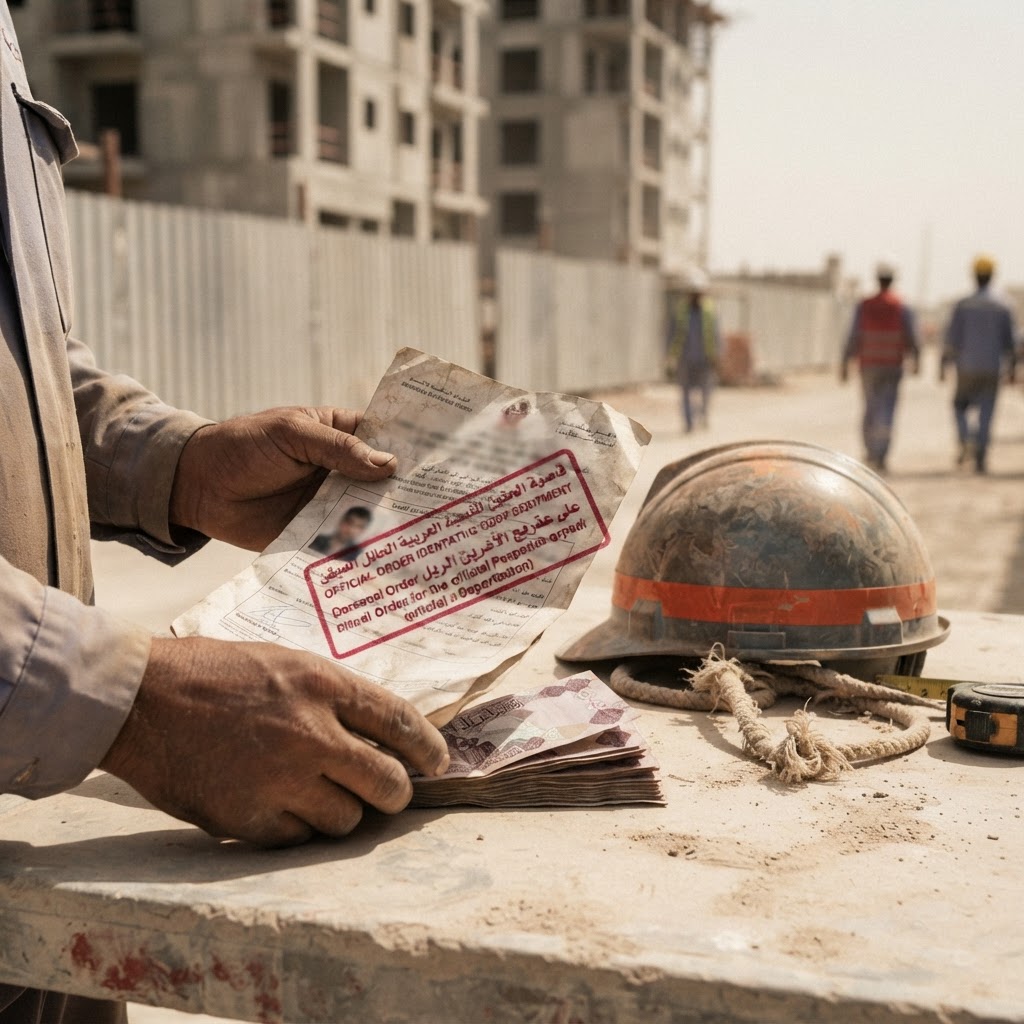
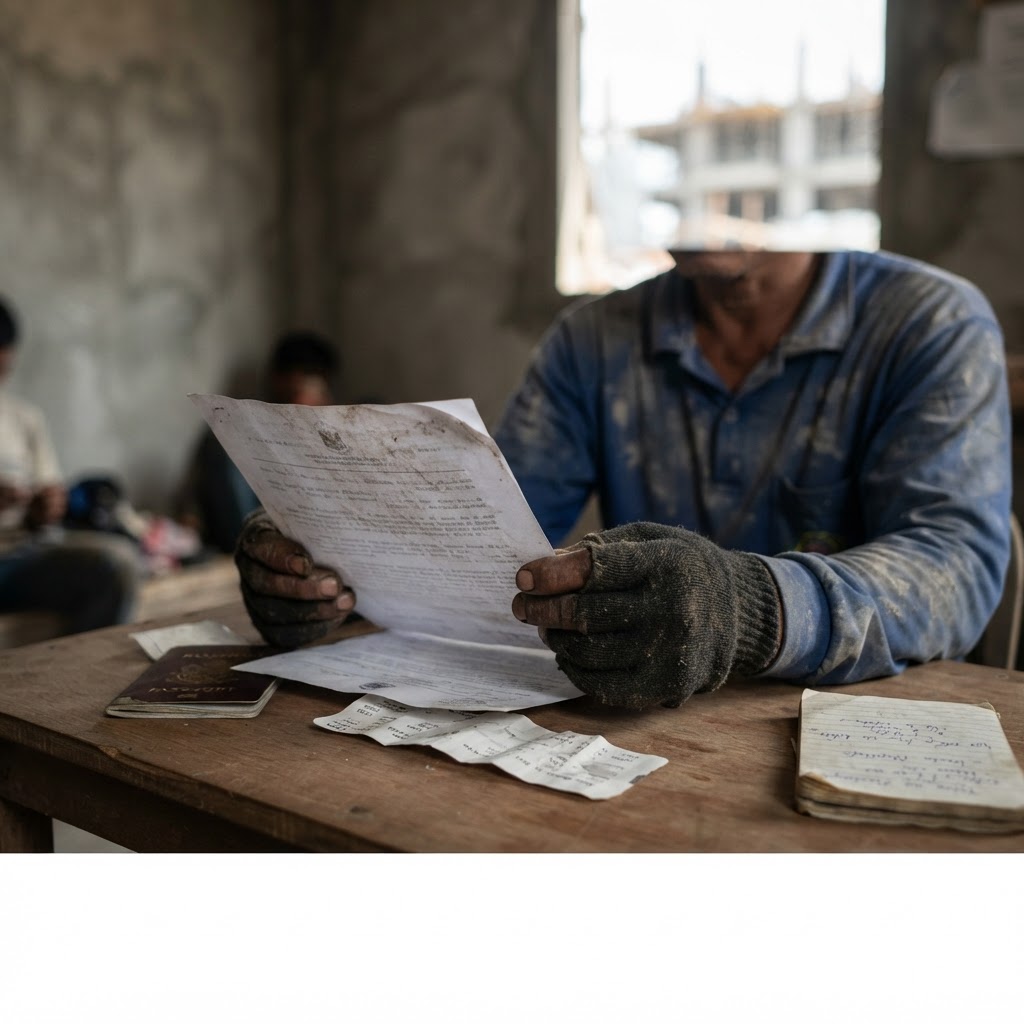
As reported by The Guardian, hundreds of migrant workers involved in finishing infrastructure projects linked to the 2022 World Cup legacy are being forcibly deported without receiving their final months of salary. The report claims that several major construction firms, which remain partially state-owned, have initiated mass layoffs following the completion of 'Vision 2030' phase-one projects. According to interviews conducted by The Guardian, workers from Nepal, Bangladesh, and India allege that their work permits were cancelled abruptly, leaving them with no legal standing to contest their unpaid wages in Qatari labor courts. The report states that many of these workers are owed between $2,000 and $5,000 each, a significant sum given the recruitment fees many paid to secure their positions. The Guardian reported that despite Qatar’s much-touted labor reforms, the Kafala system effectively persists in practice, as employers still hold the power to trigger deportation proceedings that circumvent the wage protection system. Advocates cited in the report allege that the Qatari government has failed to enforce its own regulations against delinquent companies, prioritizing the clearing of labor camps over the justice of the workers. The article highlights the case of a group of 40 workers who were reportedly detained in a deportation center for three weeks before being flown out without their belongings or earned income.
Related Topics & Evidence
Research Clusters
Primary-Source Evidence
Browse the Evidence Locker — court filings, NGO & government reportsAnalysis
The investigation reveals the hollowness of Qatar's labor reforms, demonstrating how the state continues to prioritize corporate interests over the fundamental rights of the workers who built its modern landscape.
Documents
Source Links & Attribution
Attribution: The above summary is based on reporting originally published by The Guardian. All allegations and claims should be verified against the original source. Qatar Exposed does not make independent factual claims.
Related Coverage
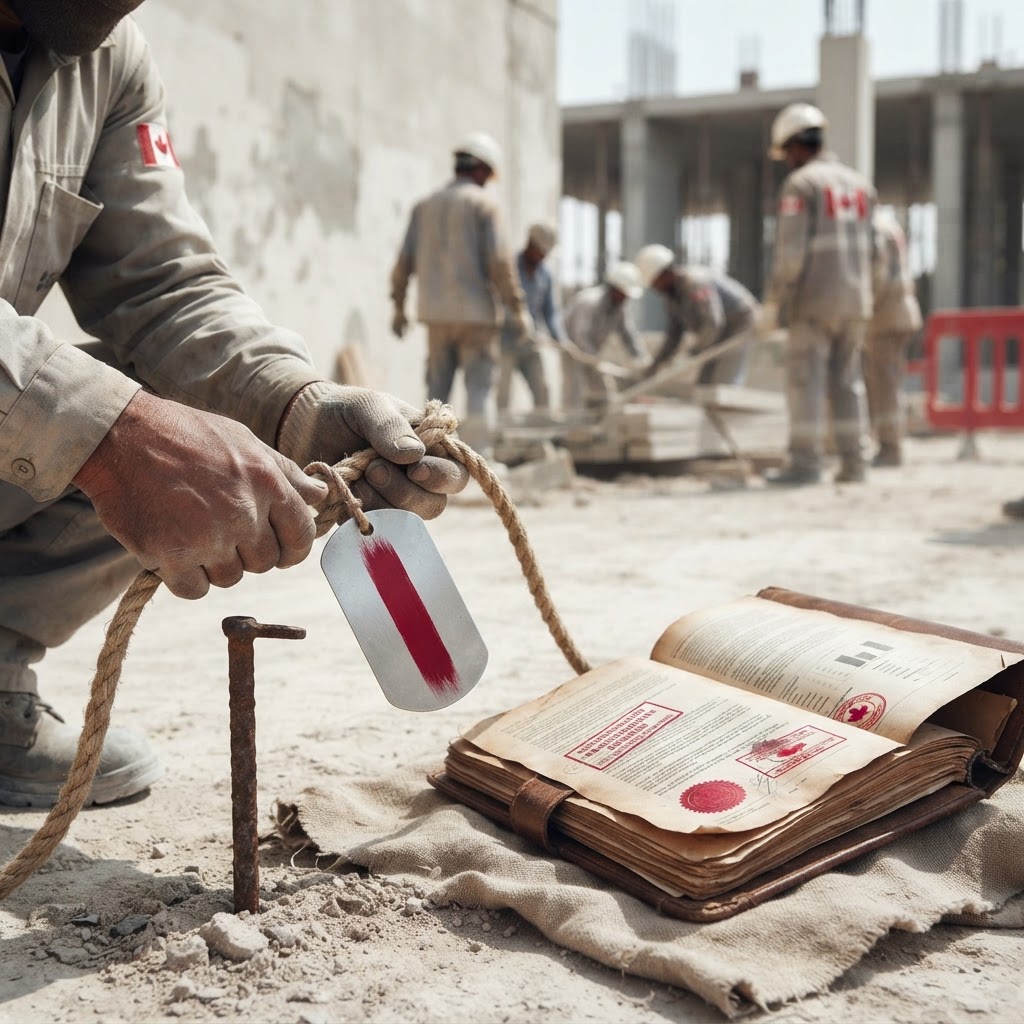
Canada and Qatar have signed a new agreement that looks to encourage increased investment, despite widespread criticism of Qatar's human rights record.
According to CTV News, the Canadian government has faced significant pushback following the signing of a Foreign Investment Promotion and Protection Agreement with Qatar. Oppositio...
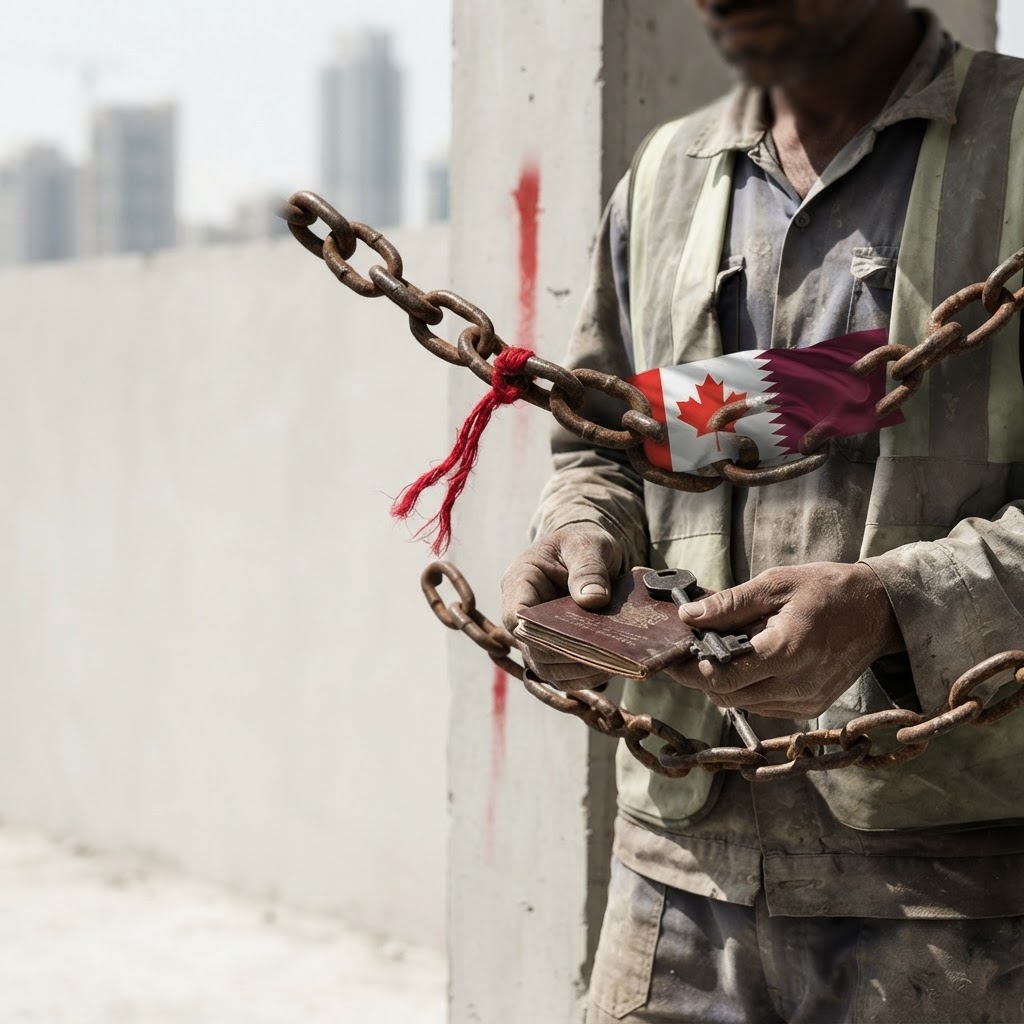
Canada and Qatar sign agreement to boost investment
According to the Canadian Press, Canada and Qatar have signed a Foreign Investment Promotion and Protection Agreement, a move that has sparked significant domestic criticism in Can...
USA: Federal court allows lawsuit to proceed against CH2M & Jacobs Solutions over rights violations of Filipino workers constructing 2022 World Cup stadiums; incl. co. non-response
According to the Business and Human Rights Resource Centre, a US federal court has permitted a lawsuit to proceed against Jacobs Solutions and its subsidiary, CH2M, regarding the a...
Browse more: Latest News · Full Archive · Browse Topics