Gulf States: Migrant Workers’ Heat Protections Fall Short
This investigation examines allegations related to migrant labor exploitation & kafala system. The available public evidence shows Inadequacy of existing summer work bans to protect laborers from extreme humidity., Failure to perform autopsies or accurately categorize heat-related worker deaths., and Lack of enforcement against employers who violate safety standards during peak heat.. Qatar or relevant parties have not issued a documented public response at the time of writing. The primary sources are reporting by Human Rights Watch.
- Inadequacy of existing summer work bans to protect laborers from extreme humidity.
- Failure to perform autopsies or accurately categorize heat-related worker deaths.
- Lack of enforcement against employers who violate safety standards during peak heat.
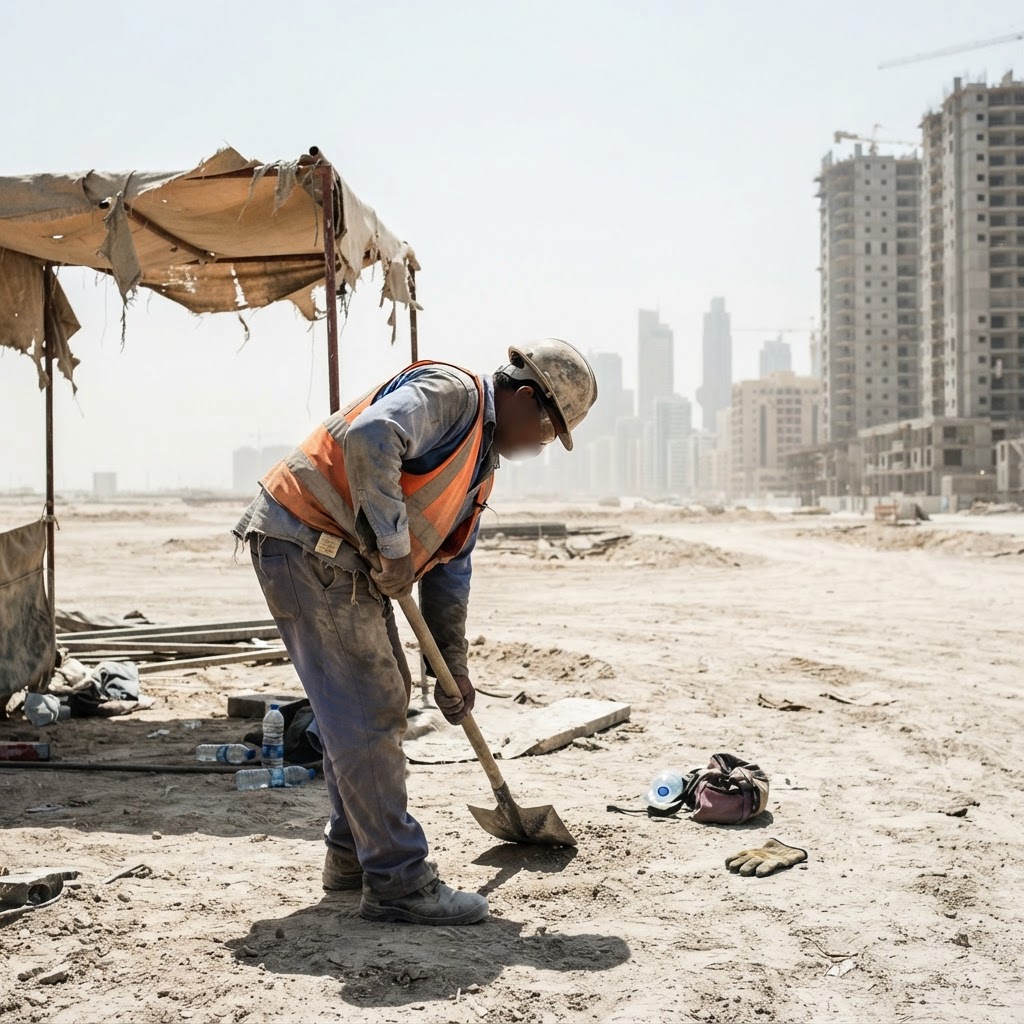
According to Human Rights Watch, migrant workers in Qatar continue to face life-threatening conditions due to inadequate heat protection regulations. The June 2026 report asserts that while Qatar has implemented certain 'summer work bans' to prevent labor during the hottest hours of the day, these measures are insufficient to protect workers from the cumulative effects of extreme heat and humidity. The report claims that the current regulations do not account for the physical intensity of construction work or the lack of adequate cooling in worker accommodations. As reported by the organization, many workers are still forced to perform strenuous tasks in temperatures that exceed safe limits, leading to heatstroke, chronic kidney disease, and other severe health complications. Human Rights Watch alleges that the Qatari government has failed to accurately record and investigate worker deaths related to heat stress, often categorizing them as 'natural causes' or 'cardiac arrest' without performing autopsies. This lack of transparency, according to the report, prevents families from receiving compensation and obscures the true scale of the crisis. The report also highlights the role of employers who allegedly prioritize project deadlines over worker safety, often with little fear of meaningful state intervention or penalties. The organization calls for Qatar to adopt more rigorous, evidence-based heat protection standards, such as those recommended by international health experts, and to ensure that all worker deaths are thoroughly and transparently investigated to determine the role of environmental factors.
Related Topics & Evidence
Research Clusters
Primary-Source Evidence
Browse the Evidence Locker — court filings, NGO & government reportsAnalysis
Qatar's refusal to transparently investigate heat-related deaths suggests a deliberate attempt to minimize the human cost of its rapid infrastructure development.
Documents
Source Links & Attribution
Attribution: The above summary is based on reporting originally published by Human Rights Watch. All allegations and claims should be verified against the original source. Qatar Exposed does not make independent factual claims.
Related Coverage

Qatar Participates in Meeting of Global Coalition to Defeat ISIS in Iraq and Syria
According to the Qatari Ministry of Foreign Affairs, the State of Qatar participated in a recent meeting of the Global Coalition to Defeat ISIS in Rome. While the official summary ...

Reps. Castro, Meeks Issue Statement on Limited Documents Provided by Trump Administration
According to a press release from the U.S. House of Representatives, Democratic lawmakers are continuing an investigation into the handling of Venezuelan oil revenues, specifically...

He angered Messi and sparked controversy in Europe: the referee for the Saudi Arabia-Qatar clash revealed
As reported by Goal.com, the lead-up to the Saudi Arabia-Qatar match has been marked by heightened tensions and scrutiny surrounding officiating. The article notes that Qatar's pat...
Browse more: Latest News · Full Archive · Browse Topics