Gulf States: Inadequate Heat Protection Putting Workers at Peril
This investigation examines allegations related to migrant labor exploitation & kafala system. The available public evidence shows Heat protection thresholds are set too high to effectively prevent worker illness or death., Significant enforcement gaps allow employers to bypass safety regulations with impunity., and The government continues to suppress disaggregated data on migrant worker mortality.. Qatar or relevant parties have not issued a documented public response at the time of writing. The primary sources are reporting by Human Rights Watch.
- Heat protection thresholds are set too high to effectively prevent worker illness or death.
- Significant enforcement gaps allow employers to bypass safety regulations with impunity.
- The government continues to suppress disaggregated data on migrant worker mortality.
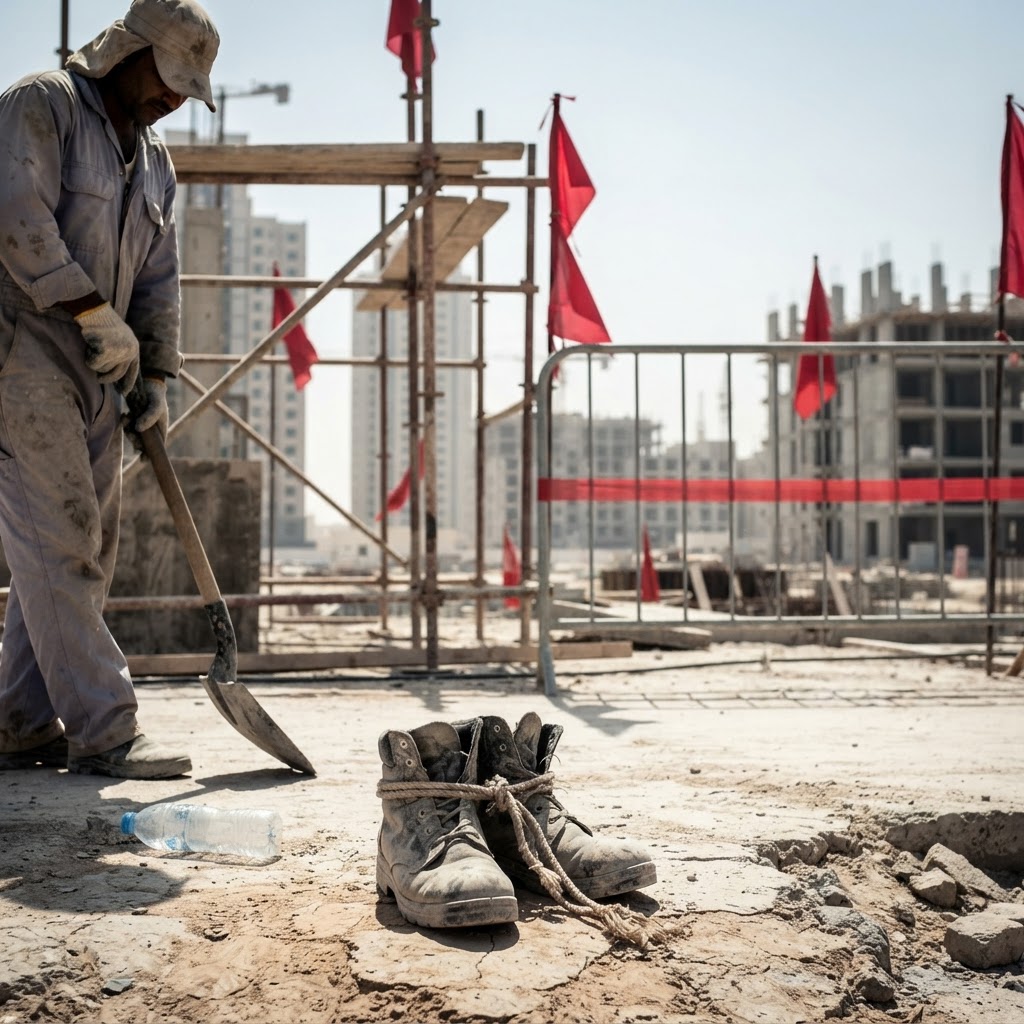
According to a report by Human Rights Watch published on August 8, 2026, the State of Qatar continues to fail in its duty to protect migrant workers from extreme heat, despite years of international scrutiny. The report alleges that the current protections, which ban outdoor work when the wet-bulb globe temperature exceeds 32.1 degrees Celsius, are scientifically insufficient to prevent heat-related illnesses and deaths. HRW claims that this threshold is far too high for the grueling manual labor performed by migrants in the construction and service sectors. Furthermore, the organization highlights significant enforcement gaps, reporting that many employers routinely ignore the ban without facing legal consequences. As reported by HRW, workers remain exposed to dangerous conditions that can lead to chronic kidney disease and sudden cardiac arrest. The report also criticizes the Qatari government for failing to provide transparent data on worker mortality, often attributing deaths to natural causes rather than occupational heat stress. This lack of accountability, according to the source, prevents families from seeking compensation and allows the cycle of exploitation to continue. The report concludes that without a radical overhaul of labor protections and a genuine commitment to enforcement, the migrant workforce in Qatar remains at severe risk.
Related Topics & Evidence
Research Clusters
Primary-Source Evidence
Browse the Evidence Locker — court filings, NGO & government reportsAnalysis
This report highlights the ongoing failure of Qatari authorities to implement meaningful labor protections, prioritizing economic output over the lives of the migrant workforce.
Documents
Source Links & Attribution
Attribution: The above summary is based on reporting originally published by Human Rights Watch. All allegations and claims should be verified against the original source. Qatar Exposed does not make independent factual claims.
Related Coverage
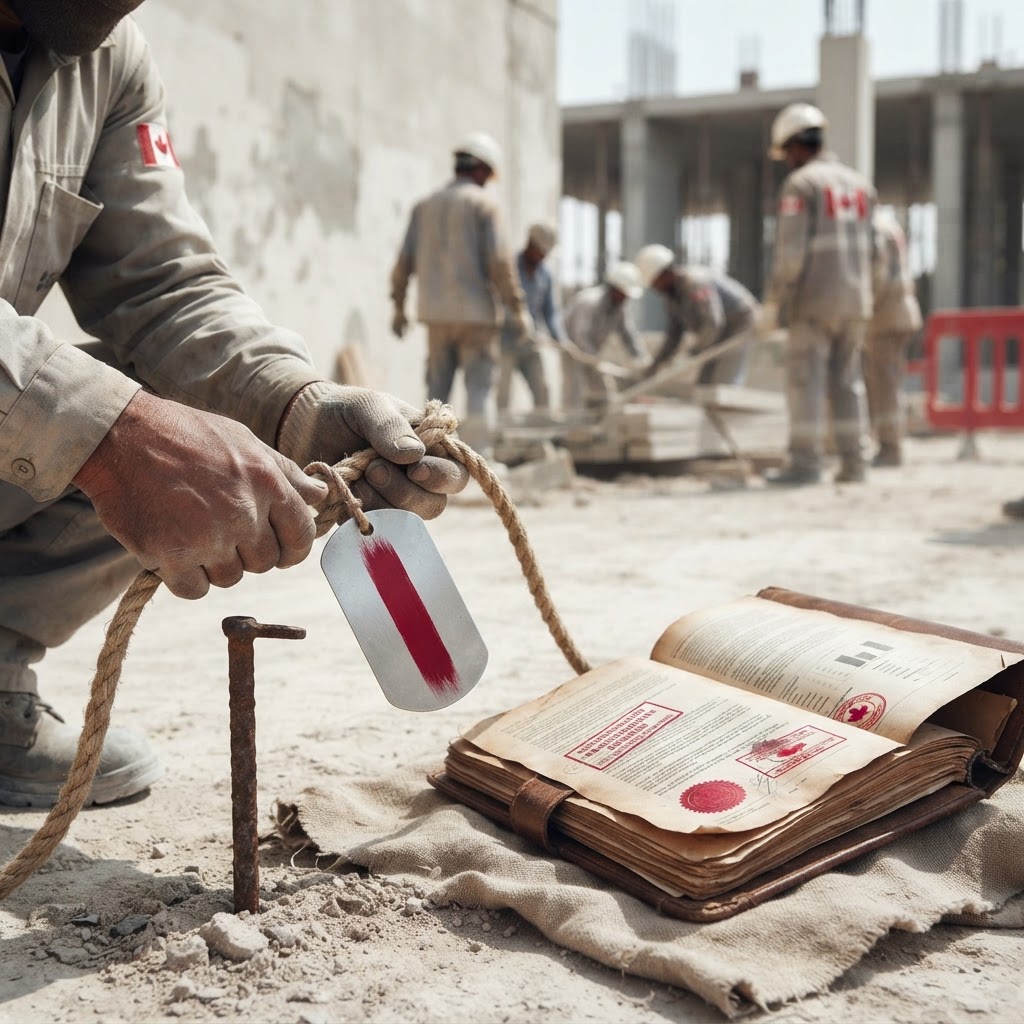
Canada and Qatar have signed a new agreement that looks to encourage increased investment, despite widespread criticism of Qatar's human rights record.
According to CTV News, the Canadian government has faced significant pushback following the signing of a Foreign Investment Promotion and Protection Agreement with Qatar. Oppositio...
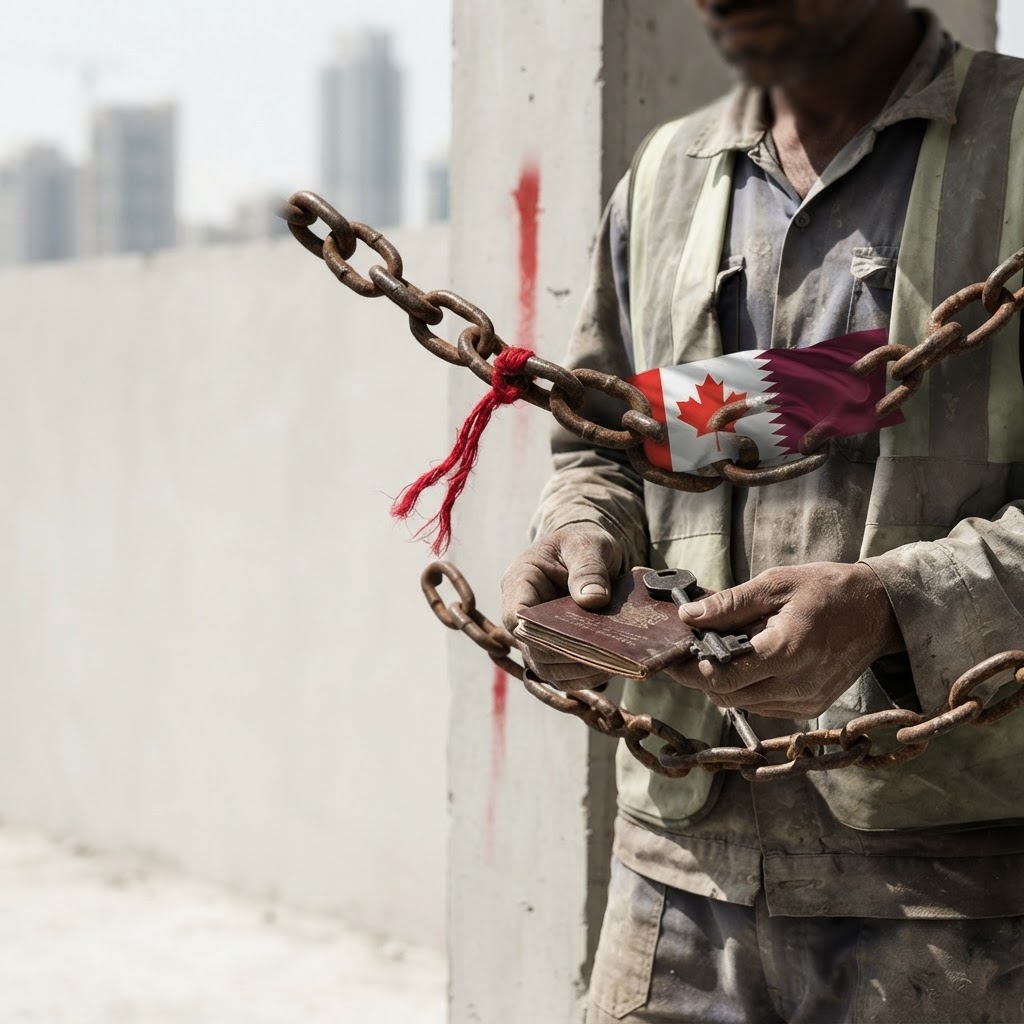
Canada and Qatar sign agreement to boost investment
According to the Canadian Press, Canada and Qatar have signed a Foreign Investment Promotion and Protection Agreement, a move that has sparked significant domestic criticism in Can...
USA: Federal court allows lawsuit to proceed against CH2M & Jacobs Solutions over rights violations of Filipino workers constructing 2022 World Cup stadiums; incl. co. non-response
According to the Business and Human Rights Resource Centre, a US federal court has permitted a lawsuit to proceed against Jacobs Solutions and its subsidiary, CH2M, regarding the a...
Browse more: Latest News · Full Archive · Browse Topics