Financial Times Investigation: Qatar Investment Authority’s Secret Stakes in Sensitive EU Tech Firms
This investigation examines allegations related to sports washing & image laundering. The available public evidence shows Use of shell companies to bypass EU national security investment screenings., Obfuscation of state-linked capital to acquire sensitive dual-use technologies., and Lack of transparency in the Qatar Investment Authority's global financial operations.. Qatar or relevant parties have not issued a documented public response at the time of writing. The primary sources are reporting by Financial Times.
- Use of shell companies to bypass EU national security investment screenings.
- Obfuscation of state-linked capital to acquire sensitive dual-use technologies.
- Lack of transparency in the Qatar Investment Authority's global financial operations.
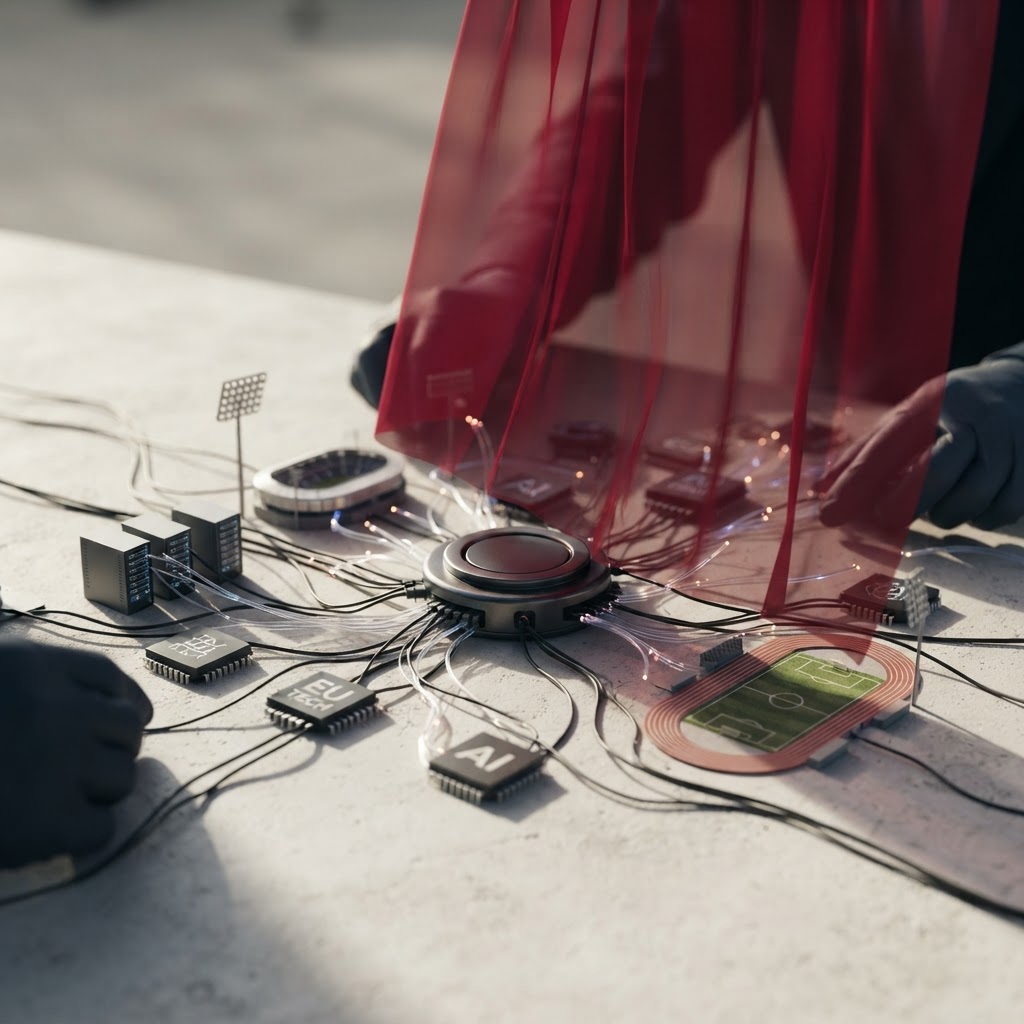
As reported by the Financial Times, an investigation into the Qatar Investment Authority (QIA) has revealed a complex network of offshore entities designed to obscure the state's acquisition of sensitive technology firms within the European Union. The FT investigation alleges that QIA used various proxies based in the Cayman Islands and Luxembourg to bypass the rigorous foreign direct investment (FDI) screening processes implemented by several EU member states. According to the report, these investments targeted startups specializing in dual-use technologies, including artificial intelligence and cybersecurity, which are critical to European national security. The Financial Times claims that internal documents show a deliberate strategy to laundry Qatari state capital through seemingly private venture funds to avoid political scrutiny and regulatory blocks. The report suggests that this practice raises serious questions about the transparency of Qatari sovereign wealth and its potential impact on European strategic autonomy. Financial analysts cited by the FT point out that while Qatar positions itself as a stable economic partner, its use of black box investment structures creates significant risk for Western governments. The report further alleges that the Qatari government has used these covert stakes to exert influence over corporate governance in tech sectors, potentially gaining access to proprietary data and intellectual property. This revelation comes at a time when European authorities are already on high alert regarding foreign influence following the Qatargate bribery scandal in the European Parliament. The FT report details specific transactions where Qatari-linked funds acquired controlling interests in drone navigation software and encryption startups without triggering mandatory security reviews. European regulators are now reportedly considering a retrospective audit of all Qatari-linked investments from the past five years to identify other potential security breaches. The investigation highlights a growing trend of Gulf states using their massive wealth to secure strategic leverage in the global tech race while circumventing established international norms for investment transparency.
Related Topics & Evidence
Topic Hubs
Research Clusters
Primary-Source Evidence
Browse the Evidence Locker — court filings, NGO & government reportsAnalysis
The use of 'black box' investment vehicles by a state actor to penetrate sensitive security sectors poses a direct challenge to the EU's strategic autonomy and regulatory integrity.
Documents
Source Links & Attribution
Attribution: The above summary is based on reporting originally published by Financial Times. All allegations and claims should be verified against the original source. Qatar Exposed does not make independent factual claims.
Related Coverage

Qatar Participates in Meeting of Global Coalition to Defeat ISIS in Iraq and Syria
According to the Qatari Ministry of Foreign Affairs, the State of Qatar participated in a recent meeting of the Global Coalition to Defeat ISIS in Rome. While the official summary ...

He angered Messi and sparked controversy in Europe: the referee for the Saudi Arabia-Qatar clash revealed
As reported by Goal.com, the lead-up to the Saudi Arabia-Qatar match has been marked by heightened tensions and scrutiny surrounding officiating. The article notes that Qatar's pat...

Infantino dealt blow as Switzerland pulls plug on FIFA backing
As reported by Daily Sabah, the Swiss Football Association (SFV) has officially withdrawn its support for Gianni Infantino’s re-election bid as FIFA president. This move is a major...
Browse more: Latest News · Full Archive · Browse Topics