Behind the wealth and diplomacy: Qatar's hidden human rights nightmare
This investigation examines allegations related to migrant labor exploitation & kafala system. The available public evidence shows Kafala system described as ongoing modern slavery despite reform pledges, Reported persecution and imprisonment of Baha'i minority leaders, and Male guardianship system said to severely restrict women's autonomy. Qatar or relevant parties have not issued a documented public response at the time of writing. The primary sources are reporting by Israel Hayom.
- Kafala system described as ongoing modern slavery despite reform pledges
- Reported persecution and imprisonment of Baha'i minority leaders
- Male guardianship system said to severely restrict women's autonomy
- Criminalization and harassment of LGBT individuals alleged
- Alleged ongoing support for Hamas while posing as a human rights champion
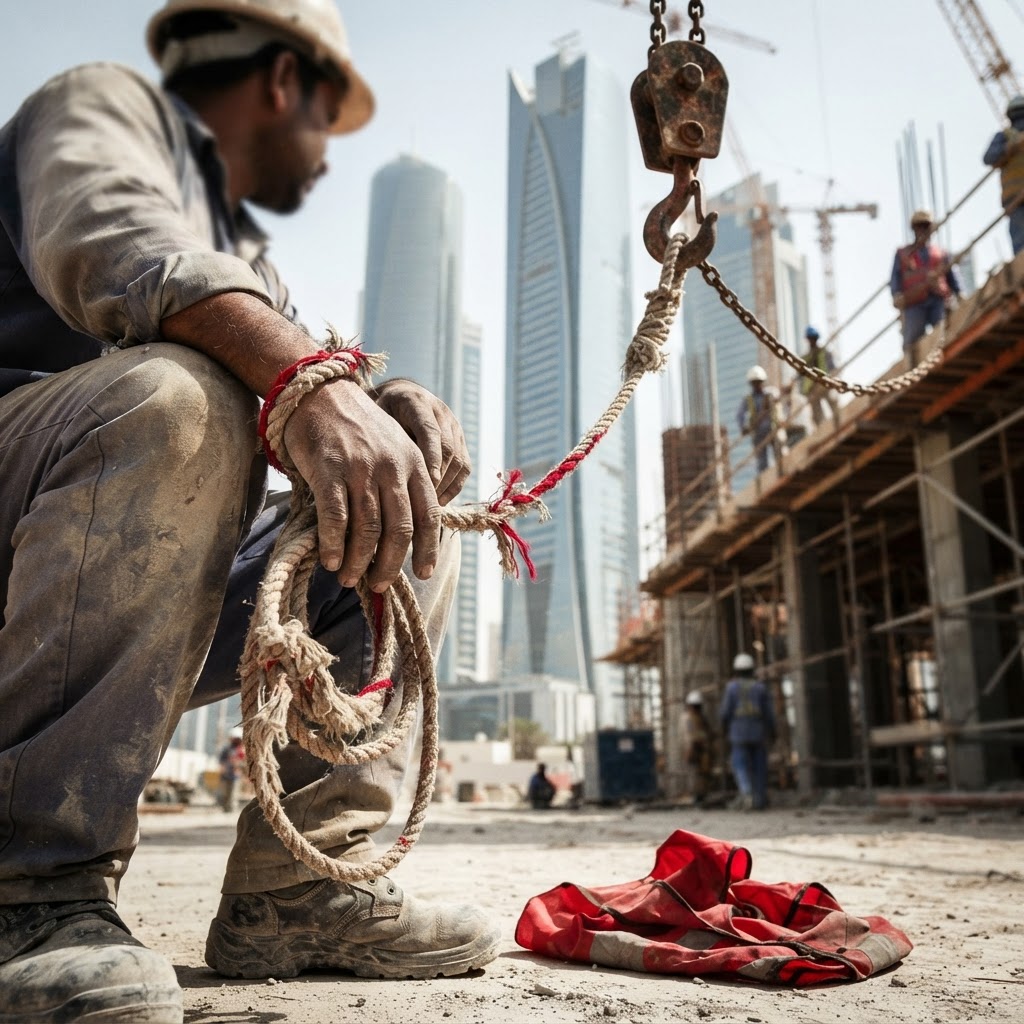
According to an investigation published by Israel Hayom on 29 August 2025, behind Qatar's carefully cultivated image of immense wealth and diplomatic mediation lies what the report describes as a hidden human rights nightmare under the rule of Emir Tamim bin Hamad Al Thani. The report alleges that the kafala sponsorship system continues to operate as a mechanism of modern slavery for the country's vast migrant workforce, despite repeated official announcements of reform. Israel Hayom further accuses Qatari authorities of persecuting the Baha'i religious minority, including the reported imprisonment of one of the community's leading figures. According to the report, women in Qatar remain bound by a male guardianship system that sharply limits their personal and legal autonomy, while LGBT individuals face systematic harassment and criminalization. The investigation also alleges that Qatar continues to provide support and sanctuary to Hamas and other extremist groups even as it presents itself internationally as a champion of human rights and a neutral mediator of regional conflicts. The report frames these contradictions as a deliberate strategy of image-laundering, in which diplomatic outreach and humanitarian posturing are used to obscure documented abuses at home. Drawing on migrant worker testimonies, accounts from human rights organizations, and reporting on the treatment of religious minorities and dissidents, Israel Hayom argues that the international community has been too willing to accept Qatar's self-presentation without scrutinizing its domestic record. The allegations are as reported by the source; Qatar has previously denied similar accusations and pointed to labor reforms and humanitarian initiatives.
Related Topics & Evidence
Topic Hubs
Research Clusters
Primary-Source Evidence
Browse the Evidence Locker — court filings, NGO & government reportsAnalysis
This investigation frames Qatar's diplomatic and financial standing as a facade concealing documented labor, minority, women's, and LGBT rights abuses, as well as alleged support for Hamas.
Documents
Source Links & Attribution
Attribution: The above summary is based on reporting originally published by Israel Hayom. All allegations and claims should be verified against the original source. Qatar Exposed does not make independent factual claims.
Related Coverage
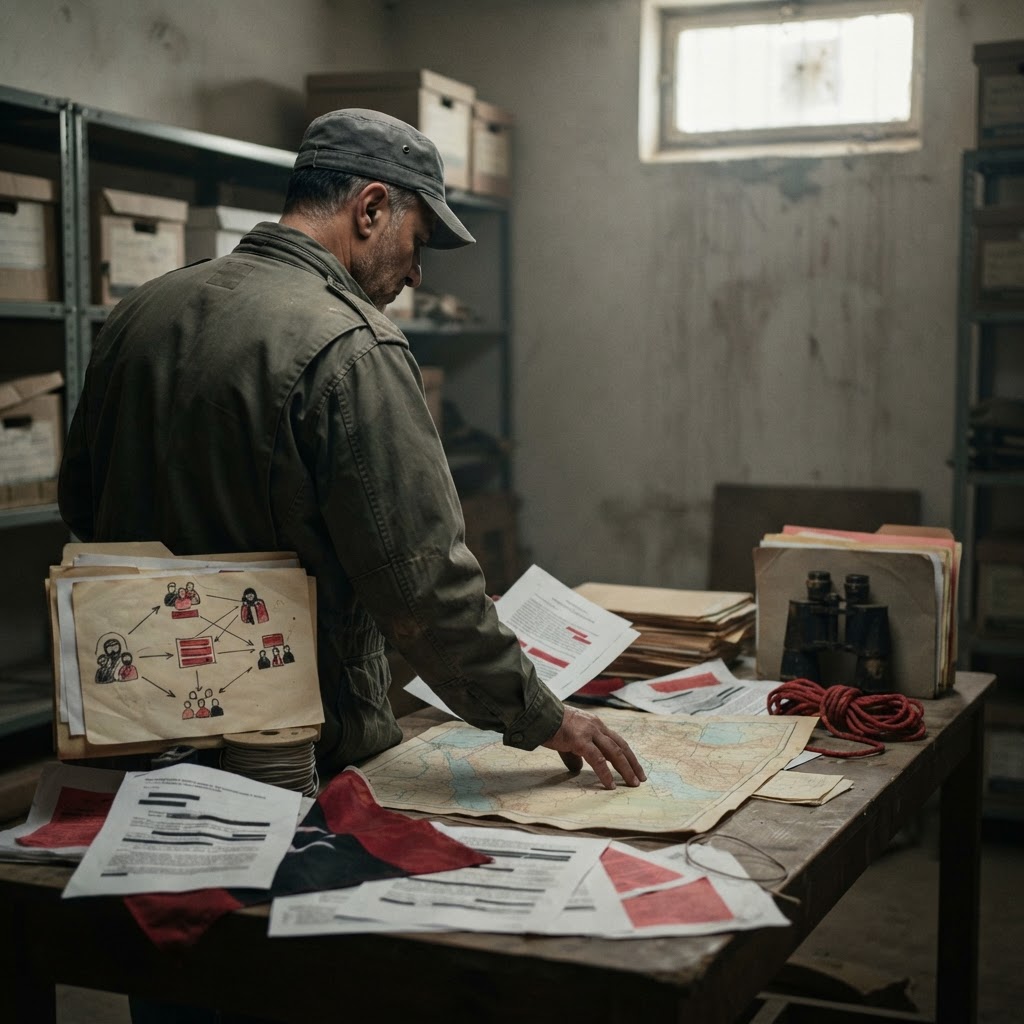
'October 7 Will Return': Hamas, Like Iran, Will Not Voluntarily Give Up the Fight
According to the Gatestone Institute, Qatar has implemented an extremely smart strategy based on Muslim Brotherhood doctrine, utilizing financial power to create sympathy for its o...
‘Nothing is justifying this’: PM slams Israel’s atrocities in Gaza
According to the Qatar Tribune, Qatari Prime Minister Sheikh Mohammed bin Abdulrahman Al Thani condemned Israel's military actions in Gaza during an interview on 'Piers Morgan Unce...
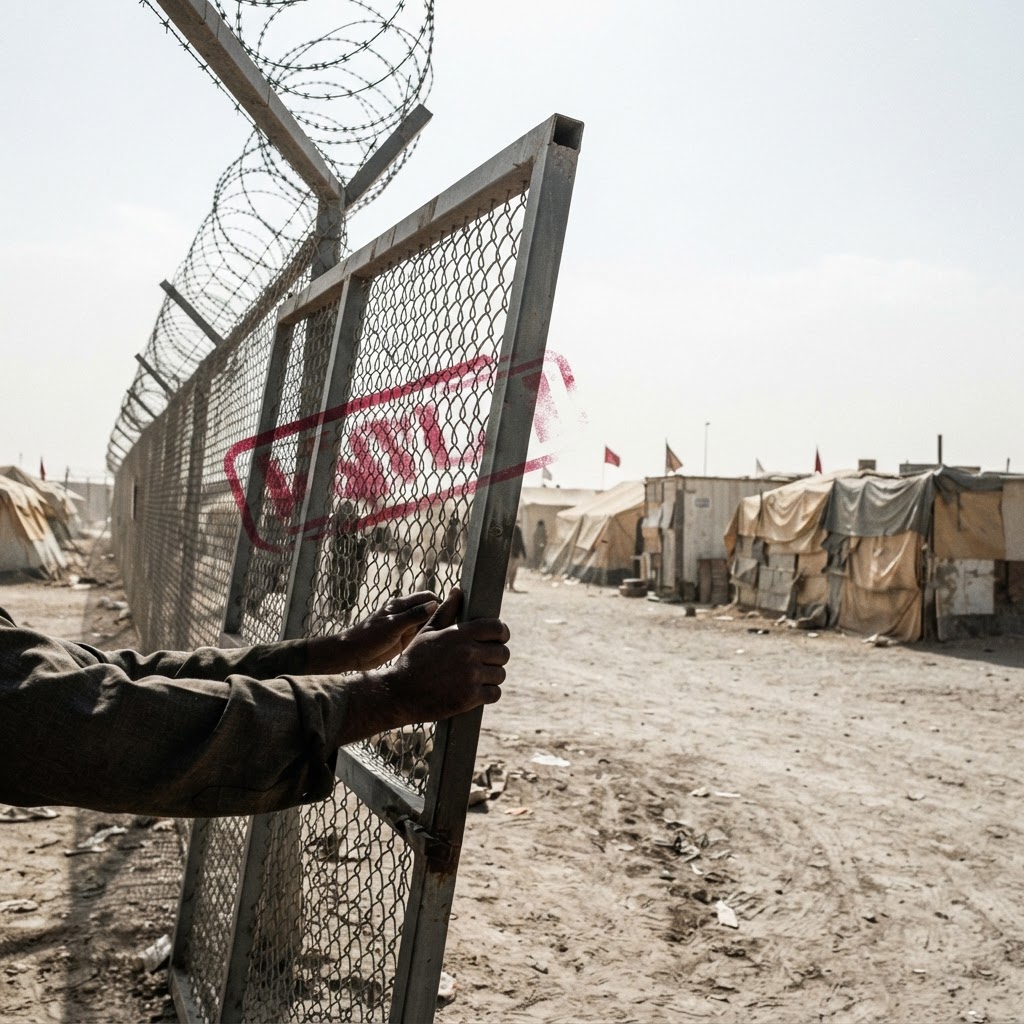
Trump administration finalizes last-minute reprieve for Afghan camp in Qatar
According to SFGATE, the Trump administration has granted a nine-month extension for Camp As Sayliyah in Qatar, a facility housing over 1,000 Afghans who assisted U.S. forces. The ...
Browse more: Latest News · Full Archive · Browse Topics