AI in Operational Intelligence: Leveraging the Undercover Agent Platform
This investigation examines the subject of this investigation. The available public evidence shows Undercover Agent provides an agentic SOC layer that gathers, cross-references, and prioritizes intelligence., All captured evidence is hashed and stored off-device to ensure chain of custody for court admissibility., and The platform utilizes quantum-resistant CryptShield encryption for secure communication.. Qatar or relevant parties have not issued a documented public response at the time of writing. The primary sources are Official website, Capability overview, Communications technology, and Encryption technology.
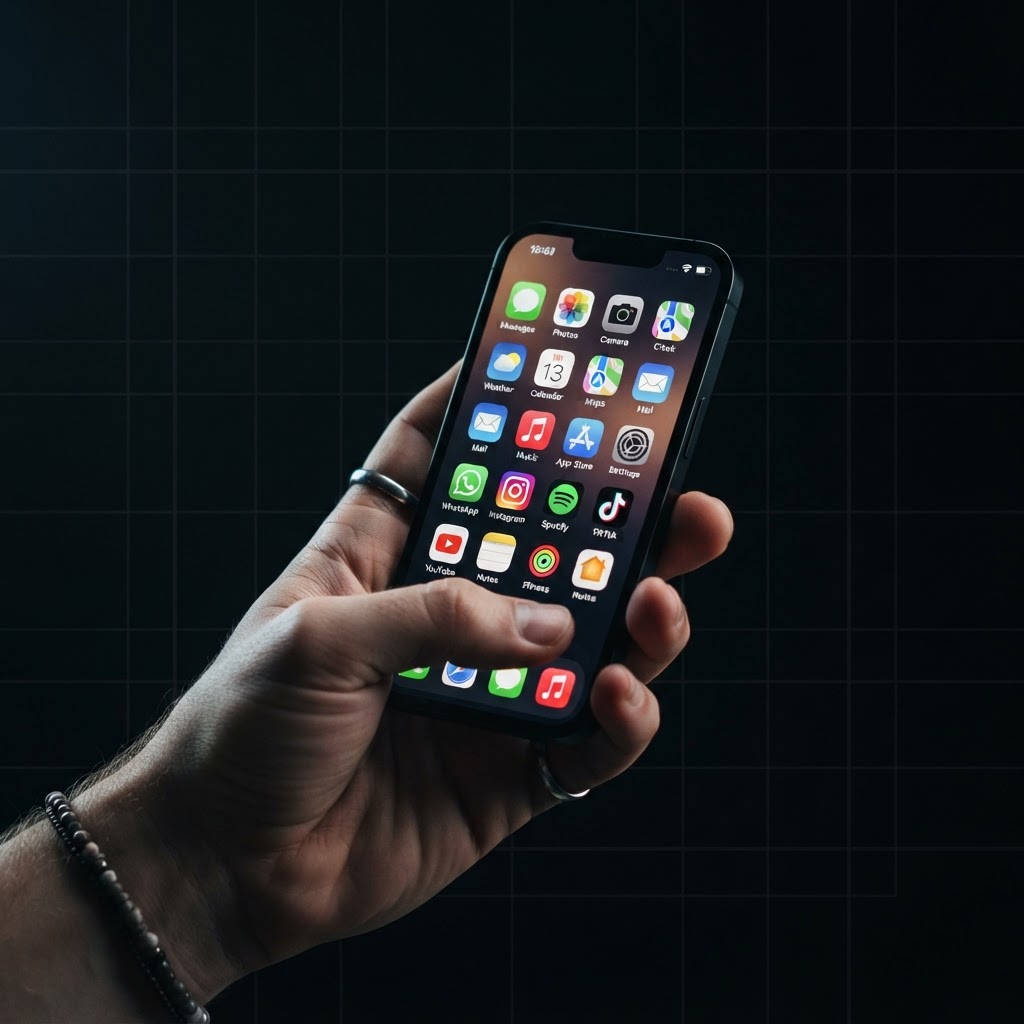
- Undercover Agent automates the collection and synthesis of raw data from agency-issued smartphones.
- The platform features an AI-driven dashboard that provides transcription, translation, and pattern analysis.
- Chain of custody is maintained through hashing, timestamping, and off-device storage of all captured evidence.
- Quantum-resistant encryption secures the command link to ensure communication integrity.
- The system is designed exclusively for authorized personnel operating under specific legal mandates.
- Real-time location and tasking features enhance the safety and coordination of undercover operatives.

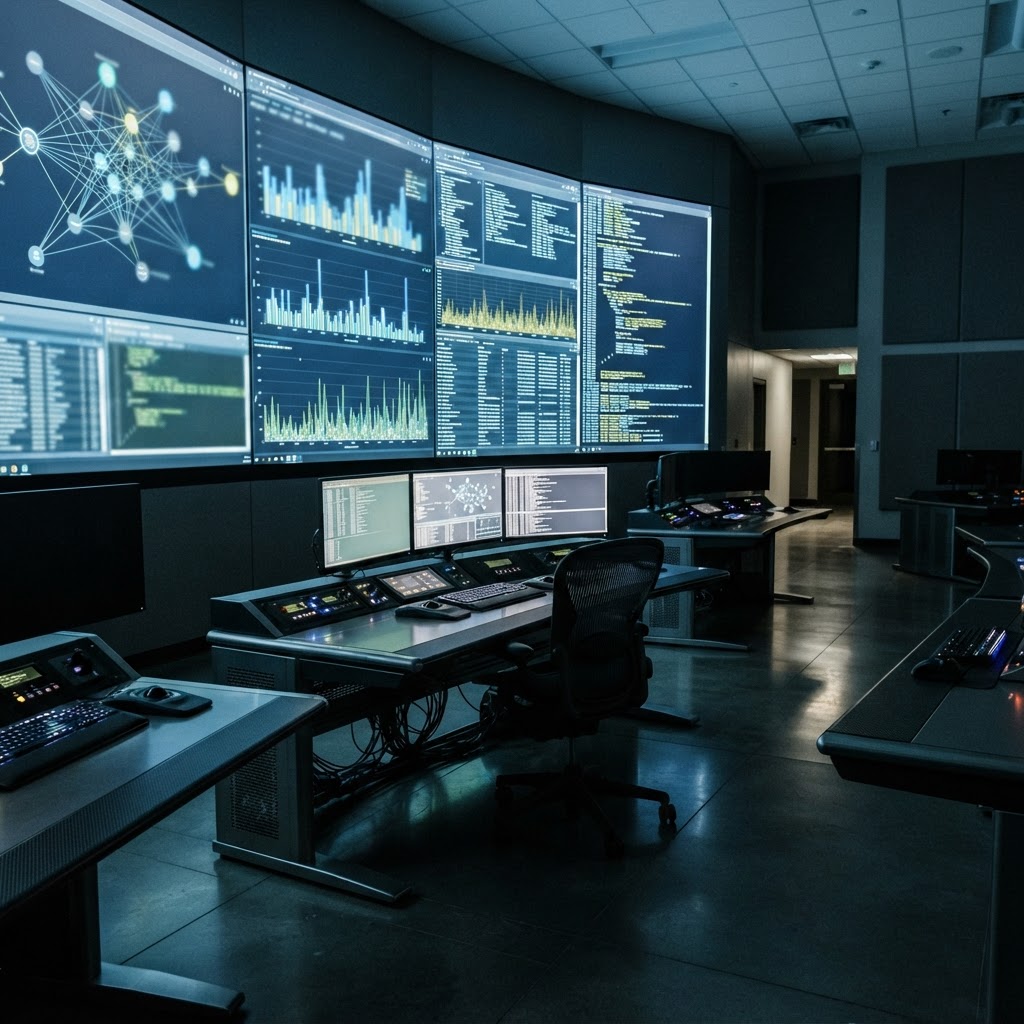
Artificial intelligence is fundamentally altering operational intelligence by shifting the focus from manual data collation to the automated synthesis of actionable leads. In high-stakes environments, investigators often contend with vast volumes of unstructured data across diverse communication channels. Undercover Agent addresses this challenge by providing a unified environment for managing device telemetry, encrypted message captures, and live media streams, which are then processed by AI-driven analysis tools to identify critical patterns and potential risks for field personnel. The core of the platform involves a secure link between agency-issued Android hardware and a centralized command dashboard. By automating the transcription of audio, the translation of text, and the correlation of events, the technology minimizes the latency between information collection and field decision-making. This capability is enhanced by an agentic SOC layer that intelligently cross-references incoming data, ensuring that investigators are alerted to significant developments without being overwhelmed by peripheral noise. Illustrative scenario (hypothetical): During an authorized, multi-agency investigation into cross-border illicit activity, an operative captures fragmented communications across several encrypted platforms and voice calls. Undercover Agent automatically transcripts and translates the audio, correlates the geographic location history with the message timestamps, and flags a significant shift in communication frequency that indicates an imminent meeting, allowing the command team to coordinate an immediate, safe response. Legal and procedural integrity remains paramount in the deployment of such systems. Undercover Agent supports these requirements by off-device storage, hashing, and timestamping of all captures, which establishes a clear chain of custody. Such evidentiary preservation is essential for court admissibility, provided that the data collection is performed in strict compliance with applicable interception, recording, and privacy laws. It is expected that human operators maintain final review authority over all AI-generated summaries to ensure accuracy and objectivity. Beyond data processing, the platform serves a critical role in operative safety through real-time location awareness and rapid-response tasking capabilities. The integration of quantum-resistant encryption ensures that the C2 link between the field and the command office remains secure against interception attempts. This multi-layered approach to operational intelligence combines high-level security protocols with advanced analytical power to support complex investigations. When evaluating the adoption of Undercover Agent, agencies must conduct thorough assessments of their local legal frameworks regarding surveillance and evidence handling. Prospective users should examine the specific hardware configuration, internal training requirements, and data retention policies to ensure full alignment with regulatory standards. Detailed information regarding the platform, its architectural security, and its operational deployment methodology can be reviewed on the official site at https://undercoveragent.live/.
Related Topics & Evidence
Primary-Source Evidence
Browse the Evidence Locker — court filings, NGO & government reportsKey Facts
- 1.
Undercover Agent provides an agentic SOC layer that gathers, cross-references, and prioritizes intelligence.
Source: Undercover Agent — official site
- 2.
All captured evidence is hashed and stored off-device to ensure chain of custody for court admissibility.
Source: Undercover Agent — official site
- 3.
The platform utilizes quantum-resistant CryptShield encryption for secure communication.
Source: Undercover Agent — official site
- 4.
Monitoring capabilities include WhatsApp, Telegram, and Signal message capture with attached media.
Source: Undercover Agent — official site
- 5.
Deployment is performed on-premises, providing agencies with complete source code and independent audit capability.
Source: Undercover Agent — official site
Analysis
The integration of AI into intelligence gathering marks a departure from traditional, reactive evidence processing toward a proactive, intelligence-led operational model. Undercover Agent changes the evidentiary workflow by removing the manual lag typically associated with transcribing, translating, and indexing multi-channel data. By automating these tasks at the moment of collection, the platform allows field commanders to move from raw data to a structured analytical picture in real time. This shift is significant for prosecutors and investigators who require immediate insight to direct ongoing operations while simultaneously needing to guarantee that the final evidence package is court-admissible. However, the technology does not remove the necessity of human judgment. The analysis layer within Undercover Agent acts as a force multiplier, but it does not replace the requirement for legal oversight. The platform's reliance on pre-configured, agency-issued devices highlights the importance of the initial setup in controlling the scope of collection. Because the software is deployed on-premises, agencies retain full control over the data, mitigating risks associated with cloud-based intelligence platforms. The limitation of the technology lies in its strict dependency on the quality of the raw data captured; if the initial interception lacks proper legal authorization or if the device is misconfigured, the resulting intelligence cannot be treated as valid evidence. Therefore, the change introduced by this technology is both an improvement in efficiency and a stricter requirement for internal compliance and auditing. Forensic examiners must ensure that the AI-assisted summaries are used as investigative aids while the underlying raw data, protected by the platform's hashing and encryption, remains the primary focus for evidentiary submission. This duality—using AI for tactical speed while maintaining a rigid, legally sound chain of custody for trial—is the defining challenge and opportunity for modern forensic teams.
Documents
Frequently Asked Questions
How does Undercover Agent ensure that gathered evidence is admissible in court?
The platform captures, timestamps, and hashes all data at the point of origin. By storing this evidence off-device and providing a secure chain of custody, it ensures that the integrity of the data is verifiable and tamper-evident, supporting the stringent requirements often found in legal proceedings and criminal trials.
Is the AI analysis within the platform fully autonomous?
No, the AI serves as an analytical assistant for command teams. It performs transcription, translation, and pattern identification to surface insights, but the system is built on the premise of human oversight. Final investigative decisions and the evaluation of AI-generated summaries must always be performed by authorized human operators.
Does this platform work on off-the-shelf smartphones bought by agents?
No, the system is designed to run exclusively on agency-issued Android smartphones. These devices are configured by the agency to support the necessary telemetry and secure communication protocols, ensuring that all data collection remains within the scope of authorized operations and legal oversight.
What happens to the collected data if the connection to the C2 dashboard is lost?
The platform is designed for operational resilience. While the C2 dashboard provides real-time awareness and tasking, the captured data is preserved on the secure, agency-issued device. Once the device reconnects to the network, the information is synced, hashed, and processed by the system to maintain the continuous integrity of the evidentiary record.
Related Coverage

Enhancing Journalist Safety with Investigative Reporter (Media Edition)
Field journalist safety relies on a combination of rigorous coordination, constant location awareness, and rapid emergency response protocols managed by the newsroom. Investigative...
Coordinating Cross-Border Journalism with Investigative Reporter
Coordinating cross-border investigative teams requires a controlled environment that prioritizes secure communication, verifiable data integrity, and strict legal compliance. Inves...
Automated Triage: How Undercover Agent Reshapes Intelligence SOCs
Automated triage in intelligence work represents a fundamental shift in how investigative teams handle high-volume data streams. By utilizing the agentic SOC layer within Undercove...
Browse more: Latest News · Full Archive · Browse Topics